
Apple Once Threatened to Make SanDisk's CEO Crawl on His Knees. Now Memory Makers Have the Leverage
For two decades Apple squeezed its flash memory suppliers with hardball tactics, and now that AI data centers are eating memory supply, those suppliers hold the leverage.

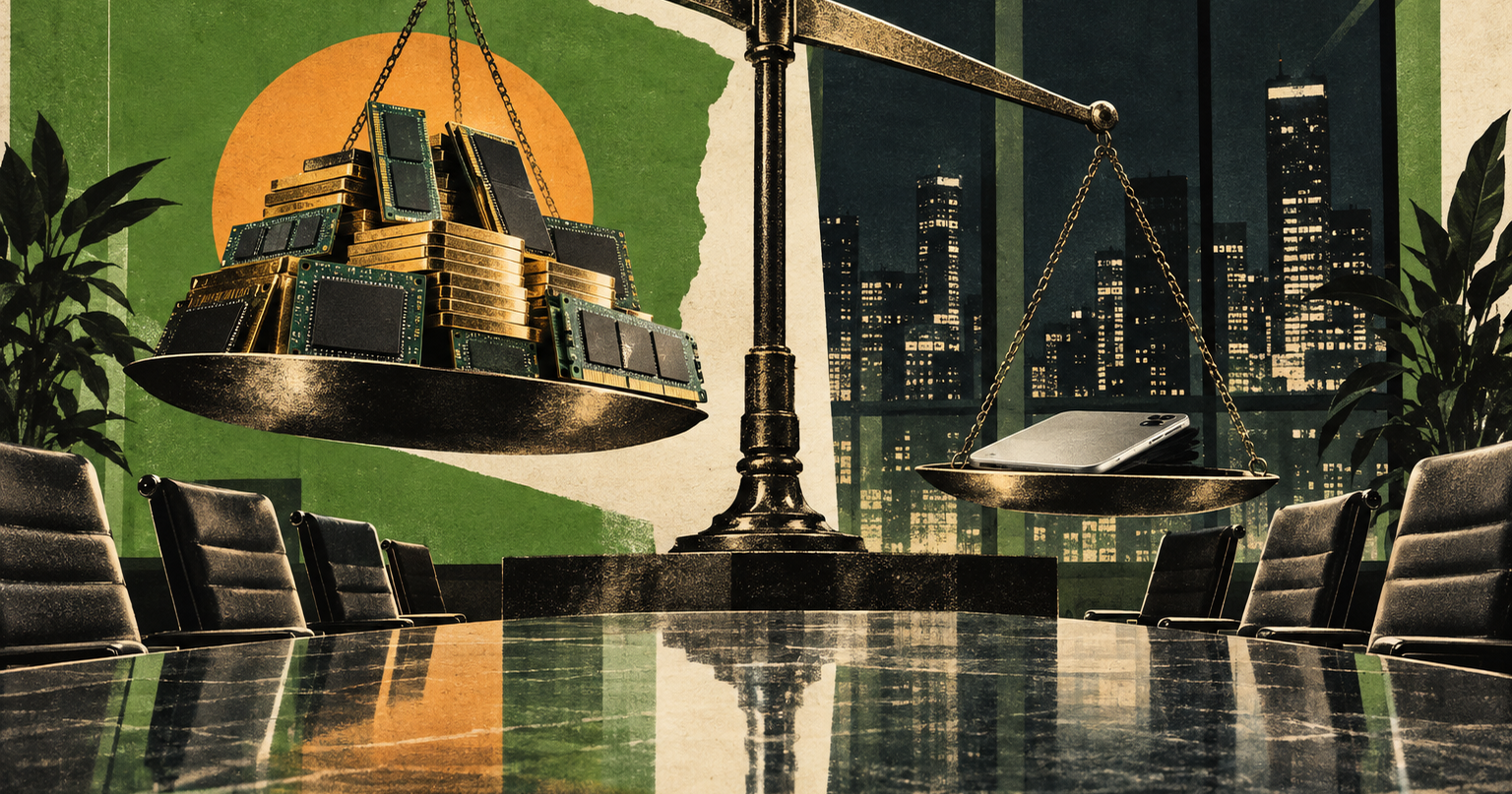
In 2015, SanDisk told Apple it wouldn't provide extra flash memory because other customers were paying more. Apple's procurement chief, Tony Blevins, told SanDisk's sales rep that CEO Sanjay Mehrotra would "crawl on his knees" back to Apple.
Mehrotra now runs Micron, and the balance of power has flipped. AI data center demand lets other buyers outbid Apple on memory volumes, and the suppliers it pushed around for two decades are making it pay. The Wall Street Journal has now detailed just how hard that pushing was.
The books, the audits and the nutrition bars
Apple required its NAND flash suppliers to name it "most favored customer," a status that guaranteed it the lowest price on the market. To enforce that, it audited their books so often that it negotiated a volume discount with Deloitte.
The audits did more than police prices. They showed Apple each supplier's operations and output, so its negotiators knew how desperate a supplier was. Apple also used the clause to win a large arbitration settlement against Micron for selling NAND more cheaply to another customer.
When NAND prices fell, Apple sometimes refused deliveries. That left suppliers holding piles of chips, some custom-made for Apple, and forced further price cuts.
Blevins, meanwhile, ran the negotiations as theater. He scheduled back-to-back meetings with rival suppliers so they would run into each other. Sessions ran past midnight without dinner breaks, and supplier reps relied on nutrition bars to get through them.
Escorted out by security
The harshest episode came out of the 2017 to 2018 shortage, when Western Digital had some leverage for once and asked Apple to pay a reservation fee to hold chips.
A year later, prices were down. Blevins demanded a full refund. He also demanded that Western Digital pay Apple a fee to test its chips, with no obligation for Apple to buy them. Then he had Western Digital's executives escorted out by security.
The bill comes due
Apple has since complained loudly about memory costs and cited them as a reason for price hikes. We have already reported on the memory crisis pushing it toward Chinese chips from CXMT.
The suppliers, for their part, don't sound eager to go back. Micron Chief Business Officer Sumit Sadana said in June, without naming Apple, that Micron had told customers "who were being very aggressive with pricing" that their approach was "not constructive." He also pointed to the cost of that behavior: "A lot of the industry investments got shut down in 2023 because of really poor pricing and really poor margins."
SanDisk has signed long-term agreements with floor prices anchored near current market levels. The company whose CEO was supposed to come crawling now gets a minimum price.
Some offers on this page may be paid placements or contain affiliate links.
Finpresso: daily AI & finance brief
Free daily newsletter, read in 5 minutes.
Subscribe free