
Aramco's CEO Says the Iran War Has Cost the World Nearly 3 Billion Barrels and Its Oil Cushion Is Scarily Thin
The head of the world's biggest oil company says the emergency barrels governments just pledged might buy a winter, on a stockpile cushion that is nearly gone.

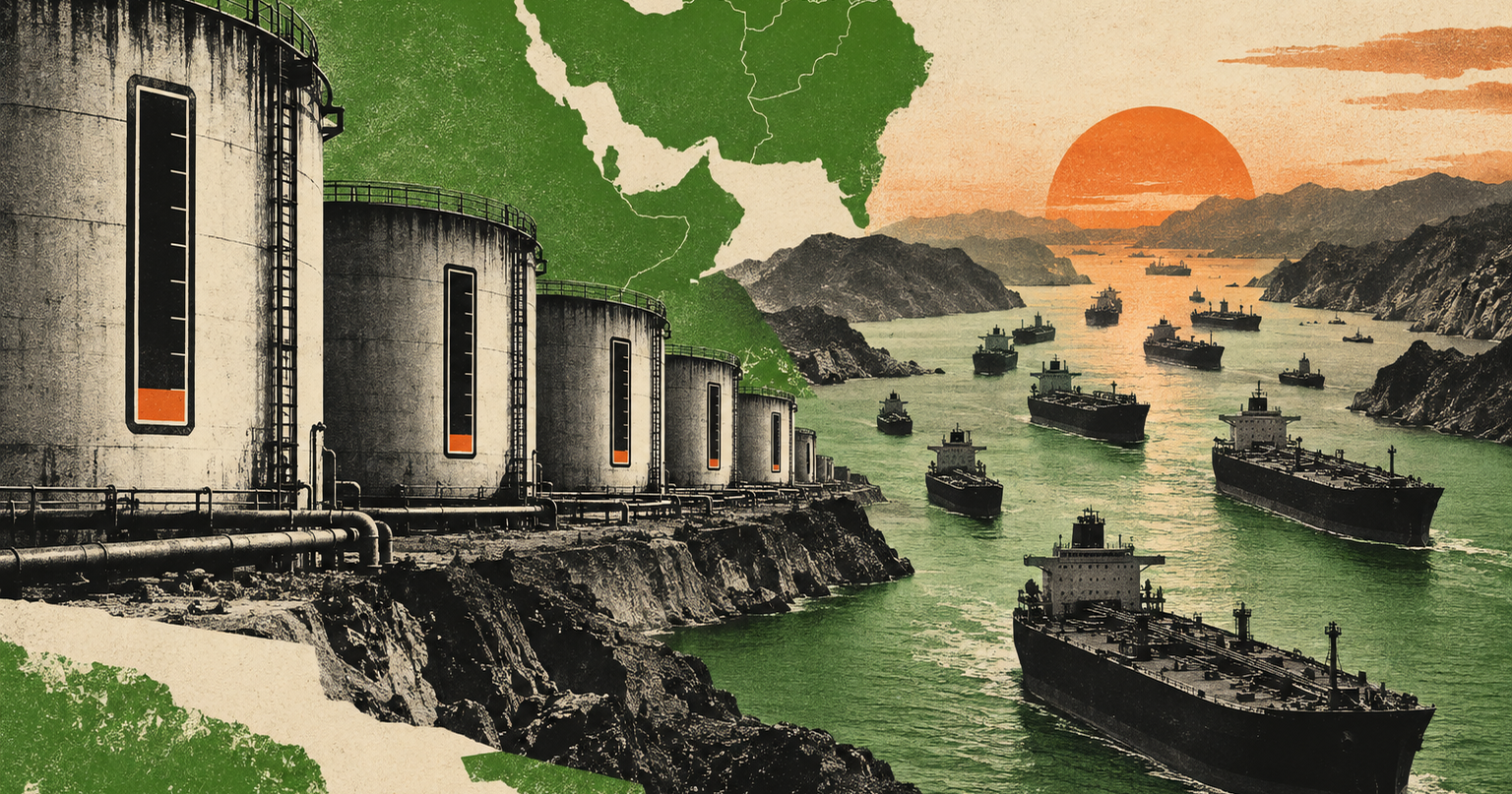
The world has lost nearly 3 billion barrels of gross oil supply since the US and Israel began striking Iran in late February, and the stockpiles meant to absorb that shock are running out. That was the message from Saudi Aramco CEO Amin Nasser, speaking at the Energy Intelligence Forum in London on Monday.
The lost barrels amount to about half the crude and products that would normally have moved through the Strait of Hormuz, which usually carries around 20% of the world's oil and LNG. Nasser called it the most serious energy supply shock of his career.
A cushion nearly gone
The world went into the crisis with roughly 10 billion barrels in stock. More than 1 billion have been drawn since, mostly from onshore commercial inventories, and fewer than 6 billion remain, the vast majority of which is not practically available.
"The system is already straining," Nasser said. "And, with precious little else the world can turn to, the supply resilience cushion is scarily thin."
He said refined products are feeling it worst. "While the squeeze on crude is serious, refined fuel prices have risen even more sharply."
The timeline is getting longer, too. Three months ago, at Aramco's second quarter earnings, Nasser said rebuilding stocks could take up to 18 months if the strait reopened immediately. Now he puts it at up to two years. "Until Hormuz fully re-opens and confidence returns, the crude reality is that pressure at both ends of the barrel will intensify," he said.
Refilling inventories could add at least 2 million barrels a day of extra demand, and more if governments decide to hold bigger stockpiles. Nasser pointed to an IMF severe scenario of 2% global growth next year with inflation above 6%.
A winter, not a fix
Governments are leaning on reserves. Days earlier, under pressure from Trump, the G7 agreed to release up to 100 million barrels of diesel and crude from emergency stocks, and IEA members have already released about 325 million of the 400 million barrels pledged in March.
Nasser was blunt about what that buys. "Emergency reserves might buy us a winter," he said. "They cannot fix long-term supply."
Saudi Arabia's own workaround has been the East-West pipeline to the Red Sea, which bypasses Hormuz. Nasser said Brent could have hit $200 a barrel without it. The line is back to about 80% of capacity after an attack last month. Aramco's upstream capacity remains intact, and the company is studying new export routes and plans to double or triple its storage capacity.
Brent December futures traded around $102.92 on Monday and WTI November around $90.76, with Brent hovering near $100 for the past month.
The same weekend, Aramco unexpectedly cut November Arab Light prices for Asia by $3, to a $5 discount to Dubai/Oman, the lowest since June 2020, while raising prices for Europe by $3 a barrel and leaving US prices unchanged. Shipping likely explains part of it: Hormuz risk has pushed supertanker rates to a record of about $1.3 million a day, up from about $30,000 in January, adding some $33 to each barrel shipped out of the Gulf.
Some offers on this page may be paid placements or contain affiliate links.
Finpresso: daily AI & finance brief
Free daily newsletter, read in 5 minutes.
Subscribe free