
EU Watchdogs Warn Quantum Computers Could Break Blockchain Encryption Before They Are Useful
EBA, ESMA and EIOPA say quantum machines could break the cryptography behind payments and blockchains before they have commercial uses. Millions of BTC sit exposed.

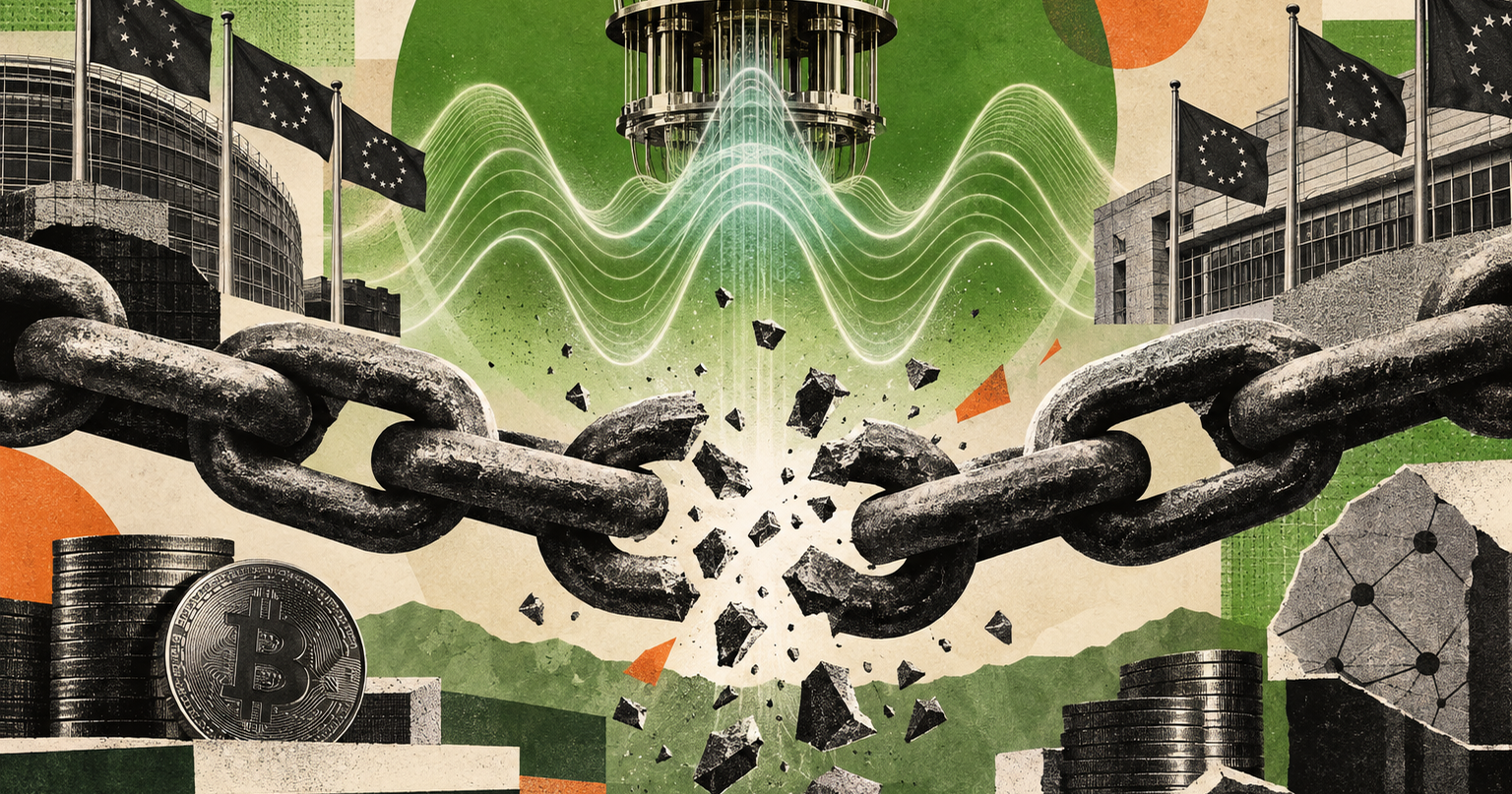
Europe's three financial watchdogs have a warning about quantum computing: the first thing it does well at scale might be breaking the locks on the financial system.
The EBA, ESMA and EIOPA, writing together as the Joint Committee of the European Supervisory Authorities, say in their Autumn 2026 risks and vulnerabilities report that an advanced quantum computer could undermine cryptography widely used to secure communications, transactions, databases and blockchains. The threat, they add, could materialize earlier than any viable commercial application.
The data is already being stolen
The report points to "harvest now, decrypt later." Attackers can copy encrypted data today and wait for a machine powerful enough to open it. Anything that must stay secret for years is already at risk, even though no crypto-breaking quantum computer exists yet.
Estimates for that "Q-Day" often land between 2030 and 2032, Decrypt notes.
Bitcoin's exposed coins
Blockchains have a specific weak spot. Coins held in older or reused addresses have their public keys already visible onchain. About 6.9 million BTC, worth roughly $586 billion, sits in such addresses, according to Cryptoquant figures reported by CoinDesk. Glassnode put the figure at 6.04 million BTC, or 30.2% of supply, in May.
Fixing that is not a software update one company can push. Moving Bitcoin to post-quantum signatures needs network consensus, and holders then have to move their exposed coins themselves. Nothing is cracked today, and the EU has not ordered any wallet freeze. But the clock is set by the slowest part of that process.
Deadlines for banks
Regulated firms have firmer dates. The European Commission and the NIS Cooperation Group want member states to start a post-quantum migration strategy by the end of 2026 and to protect high-risk use cases by 2030. Under DORA, financial entities already must use state-of-the-art cryptography against emerging threats.
The watchdogs are not purely gloomy. The same report says quantum could help with fraud detection, compliance and pricing over the medium term. It sits alongside ESMA's separate push on AI and tokenization supervision. The message for now is simpler: the upgrade has to start well before the machine arrives.
Some offers on this page may be paid placements or contain affiliate links.
Finpresso: daily AI & finance brief
Free daily newsletter, read in 5 minutes.
Subscribe free