
Europe Will Dump 42 Million Barrels of Emergency Oil on the Market as a Diesel Squeeze Threatens Its Winter
Europe will release 42 million barrels of emergency oil stocks over three months, half of it diesel, as the continent's refining shortfall and lost imports keep fuel supply tight.

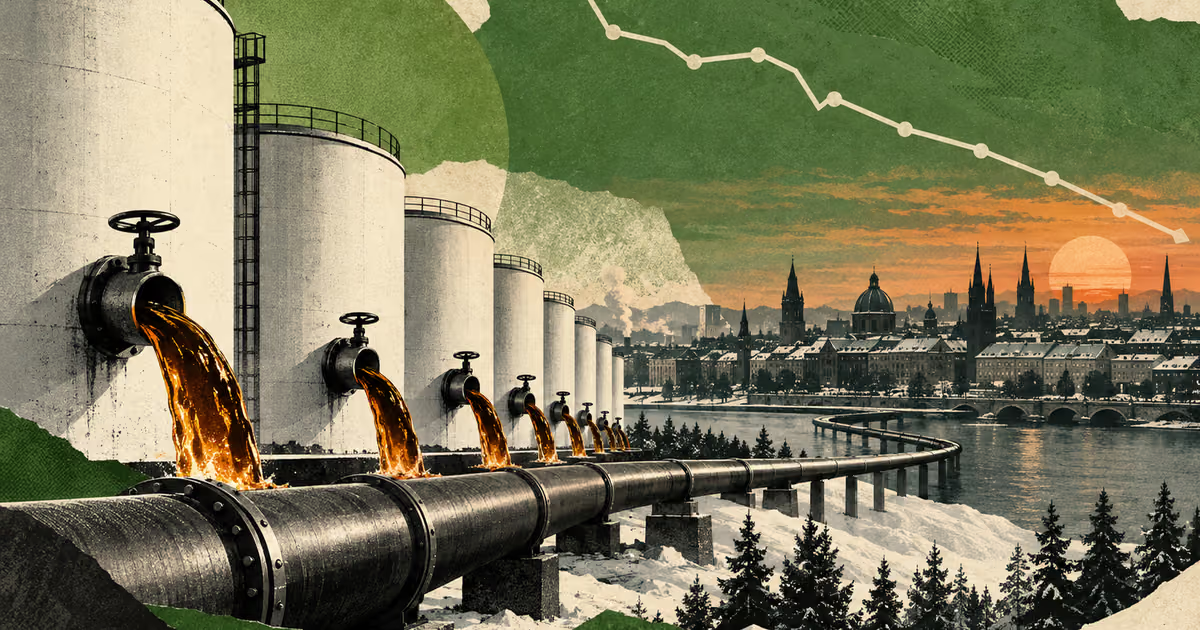
Europe is opening its emergency tanks because it cannot refine enough of the fuel it runs on. The continent will put 42 million barrels of oil stocks on the market over the next three months, half of it diesel, French Economy Minister Roland Lescure said Thursday before EU energy ministers met in Luxembourg.
Diesel, Lescure said, is "at the heart of our challenges." The release works out to about 460,000 barrels per day, 230,000 of them diesel.
France moves first. The 10 million barrels of diesel it had already announced should reach the market within days, sold at cost. Lescure said that should lower prices by 12 to 18 euro cents per liter, with prices possibly reacting as early as next week.
He hopes the crisis gets settled "slowly, but surely." Europe is also leaving the door open to additional releases.
Not a new round
The barrels are not extra. They are part of the G7's October 2 deal to release up to 100 million barrels of diesel and crude over four months under IEA oversight, a push the Trump administration had pressed on European governments as fuel prices climbed.
That deal itself counts toward the roughly 400 million barrel coordinated release the IEA launched in March. About 330 million barrels had gone out by October 15, when the agency's board agreed to speed up the remaining 100 million or so. Its plans include more than 20 million barrels of diesel as soon as possible.
Even so, the IEA expects continued tightness, notably in diesel, and it urged producers and refiners to raise supply.
A shortage two decades in the making
Europe consumes more diesel than it refines, which leaves it dependent on imports. Now those imports are harder to find. Damage to Middle Eastern refineries and Russian export restrictions pulled supply out of a market already paying record prices, and European diesel futures topped $200 a barrel in September.
More crude is moving out of the Persian Gulf, but that has not brought a comparable recovery in finished fuel exports. Crude only helps a buyer with the capacity to turn it into diesel, and that is the part Europe gave up.
Brussels is now saying so out loud. EU Energy Commissioner Dan Jorgensen on Wednesday called the past two decades of refinery closures a mistake. One proposal would ease technical requirements so the remaining plants can raise output.
Time, not capacity
Emergency reserves do one thing well, which is put diesel on the market immediately. They do not add refining capacity, so Europe stays dependent on imported fuel once the release ends.
The cushion is also shrinking. Industry executives warned in early October that global stocks are so depleted another major disruption could send prices sharply higher. Roughly 330 million barrels into the IEA's release, there is less left to throw at the next shock.
So Europe heads into winter with three months of extra barrels and the same refinery gap that created the problem.
Some offers on this page may be paid placements or contain affiliate links.
Finpresso: daily AI & finance brief
Free daily newsletter, read in 5 minutes.
Subscribe free