
Energy Shock Pushes Eurozone Inflation Higher Leaving ECB Stuck Between Hikes and Growth
Spain's harmonized inflation rose to 5.0% in September and Italy's to 4.2% as oil and fuel costs surged, putting the ECB under pressure to hike again.

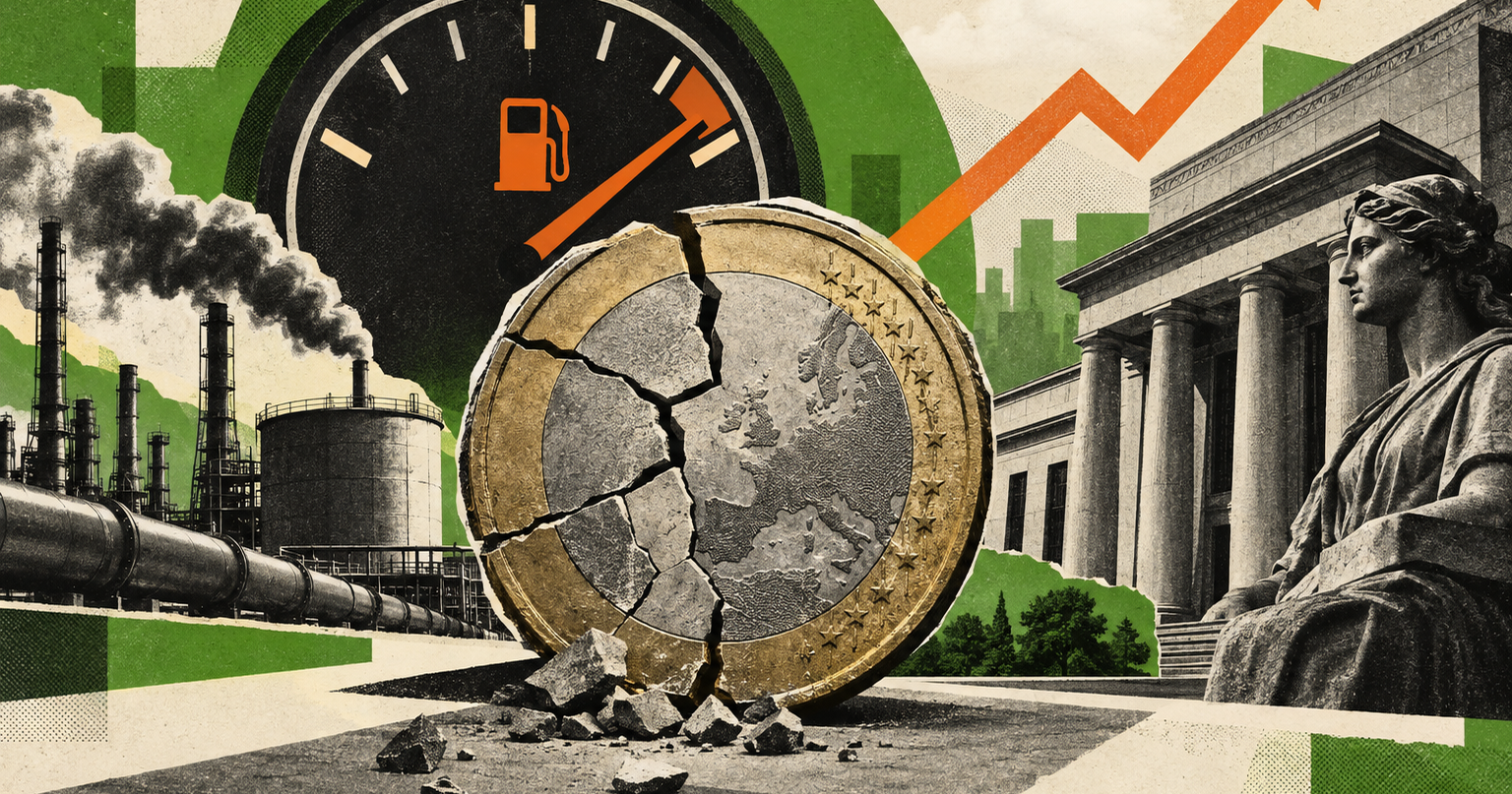
Europe's energy problem is back in the price data. Inflation jumped across major euro area economies in September as surging oil and fuel costs fed straight into what households pay, and the European Central Bank now faces a familiar, ugly choice: keep raising rates to fight an energy shock it cannot control, or hold back and risk letting inflation settle in.
Just three weeks after the ECB's first hike of this cycle, the numbers are moving the wrong way.
Spain and Italy lead the jump
Spain's harmonized inflation rate rose to 5.0% in September from 4.6% in August, its highest reading in several years. The national statistics agency INE named fuels and lubricants among the main drivers. Domestic CPI climbed to 4.9%, while core inflation moved up more modestly to 3.1%.
Italy's move was even sharper. Preliminary headline inflation rose from 3.3% to 4.2%. Inside that figure, regulated energy prices surged 25.9% year on year and non-regulated energy jumped 22.2%. Strip energy and food out and Italian core inflation sat near 1.7%, which tells you how concentrated the shock is.
That gap between headline and core is the most important detail in the data. Prices are spiking at the pump and on utility bills, not yet across the broader economy.
Why Europe keeps getting hit
The continent's exposure is structural. Europe imports most of its oil and gas and remains heavily dependent on imported diesel and middle distillates, the fuels that move trucks, ships and farm machinery. When supply tightens, Europe pays more and pays faster than producers like the United States.
This time the trigger is disruption tied to the Middle East conflict, layered on top of already tight global supplies. Crude prices rose, diesel crack spreads (the margin refiners earn turning crude into diesel) widened and freight costs climbed. Each of those feeds into transport, food and goods prices with a lag, which is why economists worry September will not be the peak.
The ECB has already moved once
The ECB raised its three key interest rates by 25 basis points on September 10, taking the deposit facility rate to 2.50%. Finpresso covered that decision at the time: the bank cited inflationary pressure from the Middle East conflict and warned that inflation was likely to stay well above target for an extended period.
Its own staff projections show how long that period could be. ECB economists expect headline inflation to average 3.0% in 2026, 2.5% in 2027 and 2.1% in 2028, against a 2% medium-term target. September's prints suggest even those numbers could prove optimistic.
Markets have noticed. Euro area government bonds came under pressure as traders priced in more rate hikes, pushing yields higher across the bloc. The ECB has not announced a further move, but the debate over its next step has clearly started.
The dilemma
Raising rates does nothing to bring more diesel into European ports. What it can do is slow borrowing, investment and hiring in an economy that was not growing quickly to begin with. Hike too hard into a supply shock and the ECB risks deepening a slowdown while the energy price spike runs its course anyway.
Hold back, though, and the bank risks a repeat of the mistake many policymakers now admit to after Russia's invasion of Ukraine, when they called energy inflation transitory and watched it spread into wages and services. That is the line hawks keep returning to, and Bundesbank president Joachim Nagel has said further hikes depend on where energy prices go.
For now, the evidence leans slightly toward patience. Unlike 2022, second-round effects on wages and services have not yet matched that episode, and core inflation in Italy and Spain remains far below the headline figures. The ECB's problem is that it cannot wait for proof. By the time energy costs show up in wage deals, it will already be late.
Some offers on this page may be paid placements or contain affiliate links.
Finpresso: daily AI & finance brief
Free daily newsletter, read in 5 minutes.
Subscribe free