
Iraq Devalued the Dinar About 14.5 Percent as Hormuz Conflict Drained Its Oil Export Revenue
Iraq cut the dinar's official rate to about 1,500 per dollar after Hormuz disruption slashed oil exports. The street rate jumped past 1,700 as reserves fell and salary costs kept climbing.
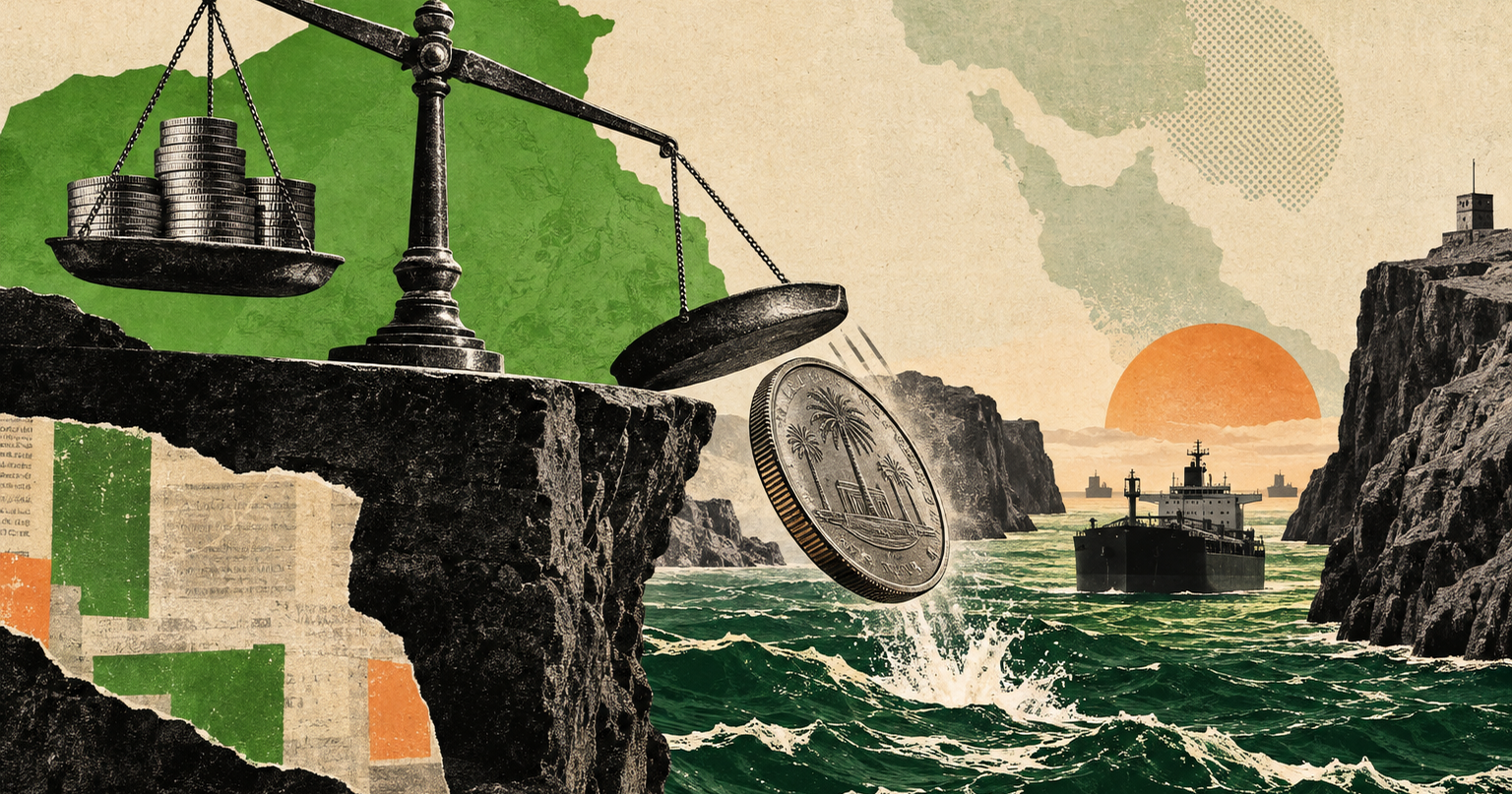
Iraq devalued its currency on Wednesday after months of disruption in the Strait of Hormuz cut into the oil revenue that pays for most of its government. The dinar lost about 14.5% against the dollar, OilPrice reports.
The cabinet approved the new structure on Tuesday, and it took effect the next day. The Finance Ministry now buys dollars at 1,500 dinars. Banks and non-bank institutions sell to end customers at 1,510, and the public rate is generally quoted at 1,520. The previous official rate, set in 2023, was around 1,300.
The street moved first
The street market had already moved. The unofficial rate was above 1,600 before the announcement and jumped past 1,700 afterward, according to AP via Fortune. Exchange shops in Irbil closed their doors.
Baghdad clothes importer Ali al-Bahadili summed up the squeeze. His customers pay him in dinars, but he pays his Chinese suppliers in dollars.
Where the oil money went
Iraq sells crude in dollars and pays most domestic bills in dinars. A weaker dinar makes each oil dollar worth more at home, which is the point. It also makes imports more expensive and cuts what households can buy.
The oil dollars have been shrinking. OilPrice says exports fell to about 2.34 million barrels a day in August, from more than 3.6 million before the war, and had recovered only to about 2.6 million by late September. ZeroHedge, using Bloomberg figures, puts the average since early March at only about 1.25 million barrels a day, against almost 3.5 million last year. State marketer SOMO estimates cumulative oil losses at about $80 billion.
Baghdad has also had to cut prices to sell what it can ship. SOMO offered September cargoes at discounts of $15 to $20.80 a barrel below official selling prices, and Vitol bought at least 25 million barrels for September loading. Overland routes through Syria exist, but they are slower and more expensive.
Salaries over the peg
Bloomberg economist Ziad Daoud framed it as a choice: Baghdad decided to keep paying public-sector salaries, around $5 billion a month, instead of defending the currency. Foreign exchange reserves fell from roughly $100 billion when the war began to about $80 billion by August. Iraq is the first Gulf Arab state to devalue since the US-Israel war on Iran began in late February.
The central bank said the move answered financial, economic and monetary requirements and that reserves remain "sufficient" for trade and travelers' cash needs.
The budget math is still tight. The 2027 draft assumes $58 oil and about 4 million barrels a day of exports, including Kurdistan, with 217 trillion dinars of spending and a deficit above 40 trillion. Those numbers depend on ships getting through a strait where, as only a dozen commodity vessels clearing Hormuz showed, traffic is still a trickle.
Some offers on this page may be paid placements or contain affiliate links.
Finpresso: daily AI & finance brief
Free daily newsletter, read in 5 minutes.
Subscribe free