
Pimco's Bond Chief Says 10-Year Treasury Yields Could Hit 6% as Hedge Funds Dump Losing Bets
Pimco CIO Dan Ivascyn says the 10-year Treasury yield could reach 6%, a level unseen since 2000, as oil-driven inflation, US debt and forced selling by leveraged hedge funds push bond prices down.
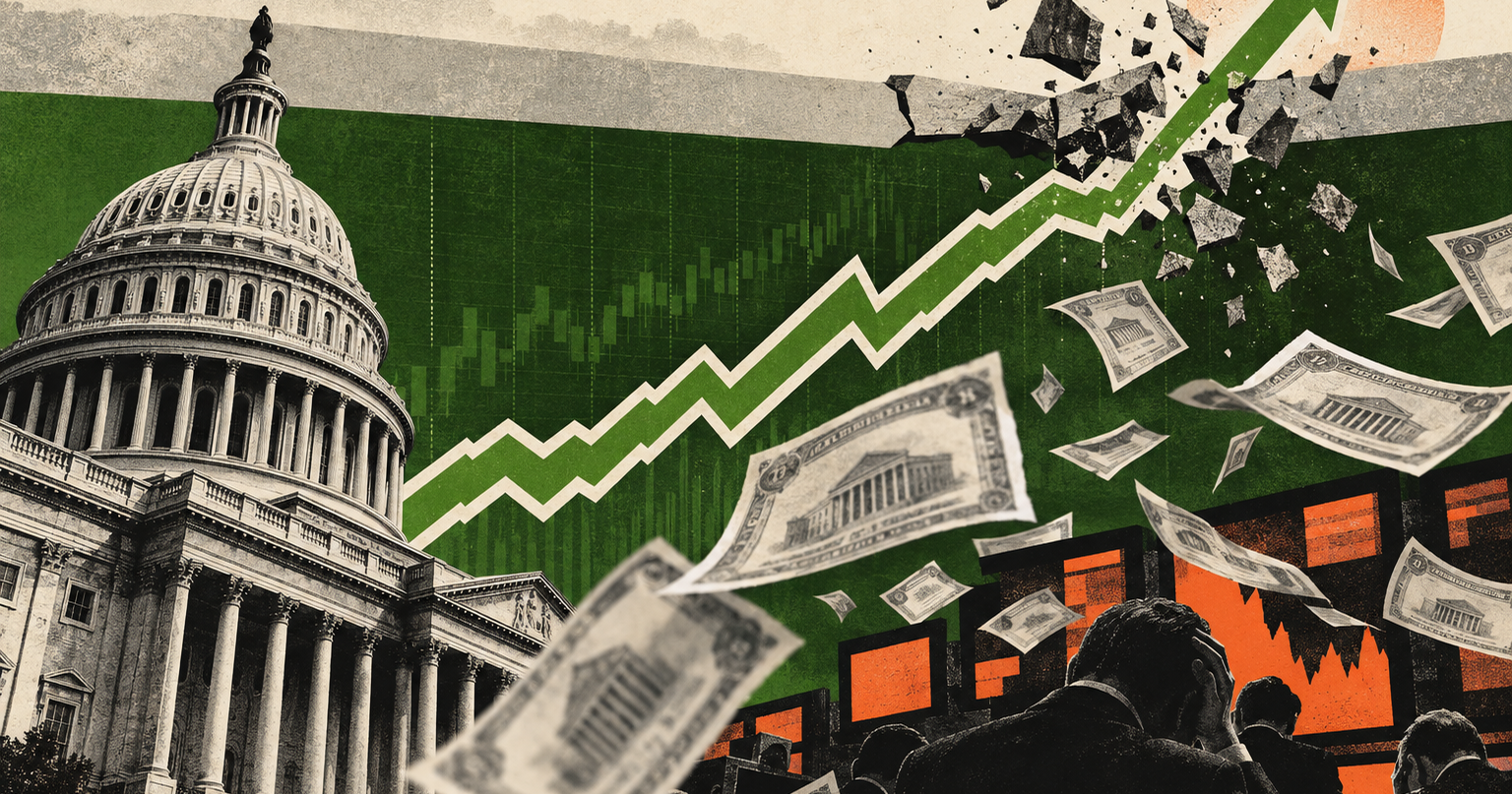
The man running one of the world's biggest bond shops just put a number on the bond market's fears. Dan Ivascyn, Pimco's chief investment officer, thinks the 10-year Treasury yield could climb to 6%, a level it has not touched since 2000.
He told the Financial Times on Friday that a sharp move higher was "feasible" in the near term. He framed it as a possibility rather than a forecast, but coming from Pimco, it lands hard.
Why 6% is back on the table
Ivascyn pointed to three forces. High oil prices are feeding inflation fears, public debt keeps growing, and the bond market itself is under mechanical stress.
That last one could make any move fast. "It is certainly possible, even from a short-term trading perspective, given that some of the activity we've seen in the last couple of weeks is tied to some negative technicals, some stop-out activity from the platform hedge funds and other levered investors. You can certainly get there," he said.
In plain terms, leveraged funds that bet the wrong way are being forced to sell, and their selling pushes prices down and yields up for everyone else.
The 10-year was recently trading at 5.29%, just under the 5.34% it hit last week, its highest since 2002. It is up almost 120 basis points this year and posted its biggest quarterly rise this century in the three months to September. Only weeks ago, the 10-year first broke through 5% ahead of a Fed decision.
Where it starts to hurt
Ivascyn also put a marker on the pain threshold. A move to 5.5% or higher, he said, would likely lead to "some decent weakness in risk markets, both credit and equity."
Households are already feeling it. Freddie Mac's 30-year fixed mortgage rate hit 7.40% on 8 October, up from 7.28% a week earlier and 6.30% a year ago. The 15-year sits at 6.73%.
Global bonds are under heavy selling as energy costs fan inflation and the AI boom lifts growth expectations. That AI boom is adding its own pressure. Goldman Sachs expects hyperscalers to borrow $420 billion next year, and investors buying AI companies' long bonds are hedging by selling Treasury futures.
Buyers are there, at a price
The market is not seizing up. A $22 billion 30-year bond auction on 8 October cleared at 5.618% with a bid-to-cover of 2.54. Demand showed up, but it wanted paying.
Nerves are visible elsewhere. The cost of options protecting against a 200 basis point jump in rates is at its highest since March 2023. Russell Investments estimates that more than 70% of the rise in yields since the end of February came from higher expected real rates and a wider term premium, meaning investors want more to hold long-dated US debt, not just protection from inflation.
The 6% line has held for a quarter century. Ivascyn's point is that it no longer looks out of reach, and that if it goes, forced sellers could get it there quickly.
Some offers on this page may be paid placements or contain affiliate links.
Finpresso: daily AI & finance brief
Free daily newsletter, read in 5 minutes.
Subscribe free