
Saudi Arabia Quietly Quit China's mBridge CBDC Project After Years as an Active Participant
Saudi Arabia confirmed to the Financial Times that it quit China's mBridge cross-border CBDC program in 2025. The blockchain payments rail had processed 4,047 transactions worth $55.49 billion by November 2025.
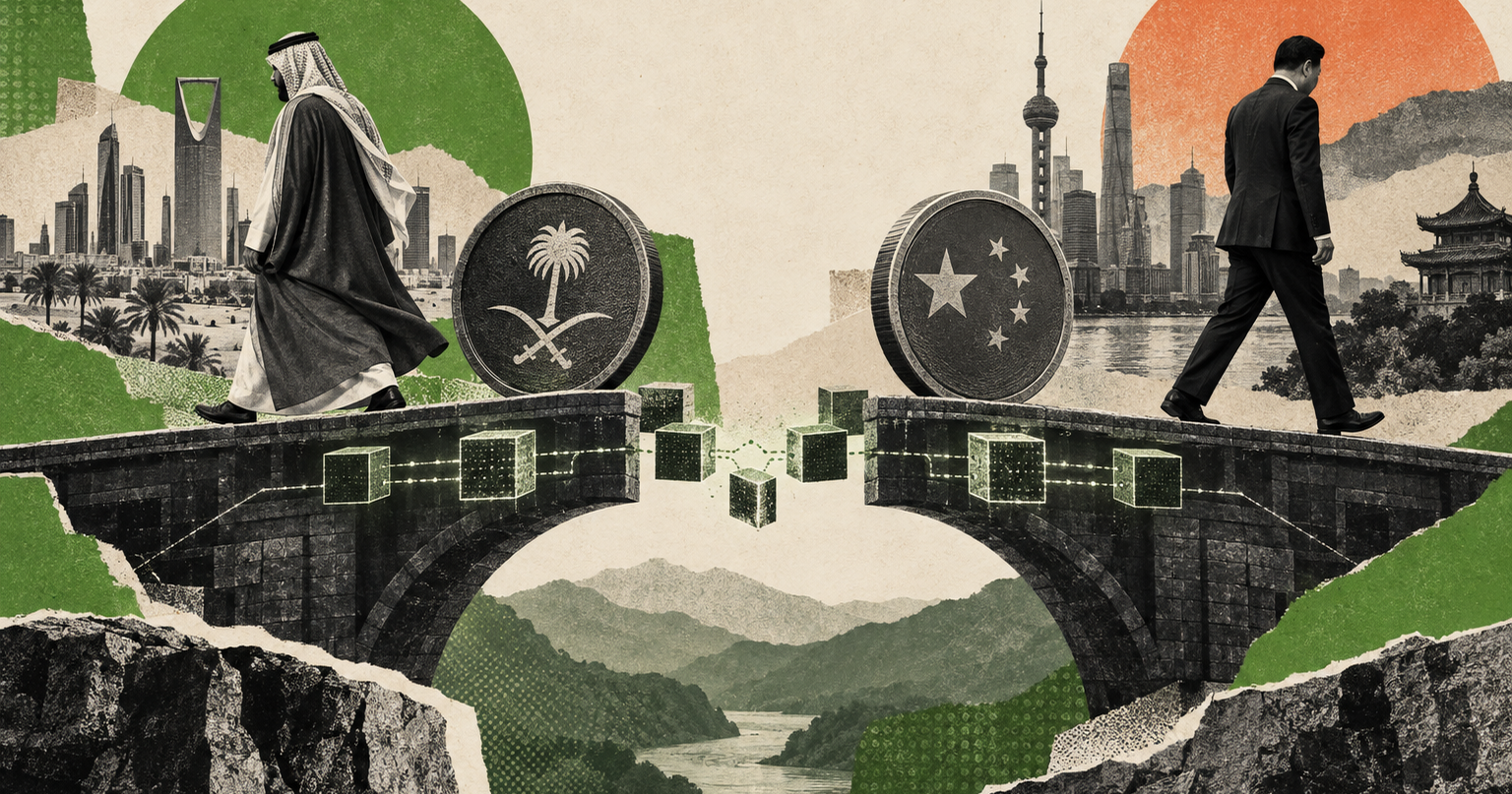
Saudi Arabia has walked away from mBridge, the China-backed project built to move money between central banks without touching the dollar, and it did so quietly enough that the exit is only now coming to light.
The kingdom confirmed to the Financial Times that it left the cross-border payments program in 2025, insisting the departure was the plan all along. As reported by PYMNTS, the withdrawal had not been made public before now.
mBridge is not a fringe experiment. It uses blockchain to let central banks settle foreign exchange directly in their own digital currencies, trimming both cost and the dollar's role as the middleman, and it is close to a commercial launch. Saudi Arabia became an active participant in 2024, joining China, Hong Kong, Thailand, and the United Arab Emirates. The Bank for International Settlements ran the project in its early days before stepping away.
The politics are hard to miss. President Trump has threatened the BRICS bloc with 100% tariffs if its members keep building alternatives to the dollar, and a payments rail designed to sideline dollar clearing sits squarely in that line of fire.
Saudi officials are steering away from that reading. A person familiar with the matter told the FT it would be "inaccurate to draw any wider inference" from the move, noting that the kingdom's involvement in mBridge had been limited to begin with.
The scale is why Washington pays attention. By November 2025, mBridge had processed 4,047 transactions worth $55.49 billion, up from just 160 transactions and $22 million three years earlier, according to Atlantic Council figures. That is the kind of growth curve that turns a pilot into infrastructure, and it helps explain why a US ally's departure reads as more than housekeeping.
The move fits a wider Gulf recalibration over where its money and oil flow, from halted crude shipments to Europe to banks testing tokenized dollar settlement over weekends.
Some offers on this page may be paid placements or contain affiliate links.
Finpresso: daily AI & finance brief
Free daily newsletter, read in 5 minutes.
Subscribe free