
Senate Democrats Block Data Center Power Bill Meant to Shield Household Electric Bills
Senate Democrats blocked the Ratepayer Protection Act 57 to 43, calling it toothless, as data center power costs become a midterm fight over household bills.

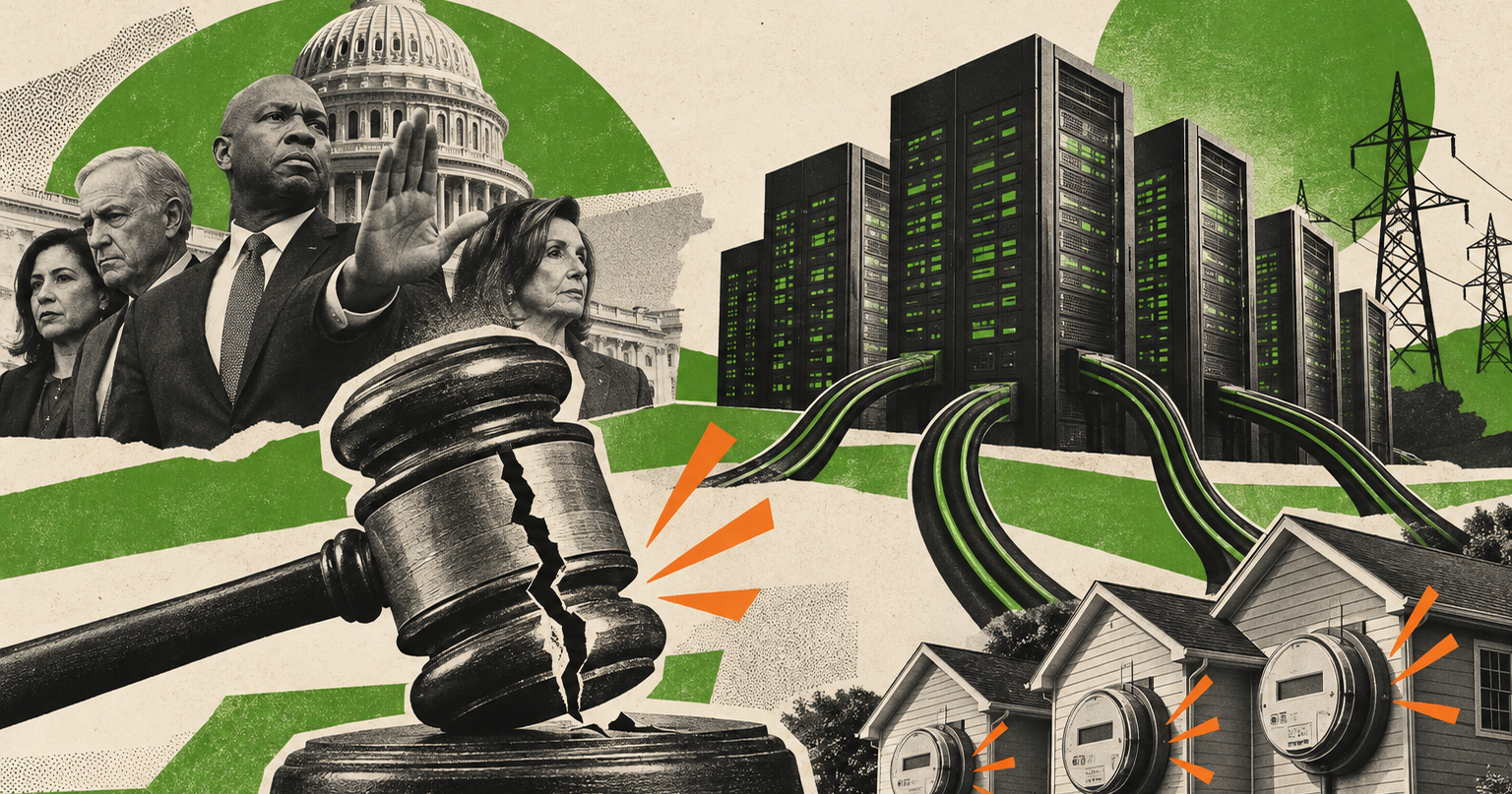
A bill pitched as protection for household electric bills against the AI data center boom died in the Senate on Wednesday. Democrats blocked the Ratepayer Protection Act on a 57 to 43 vote, three short of the 60 needed to advance in the Republican-controlled chamber.
The fight is about who pays for the grid. Data centers are driving huge demand for new power plants and transmission lines, and those upgrades tend to show up on everyone's monthly bill. With the midterms five weeks away, both parties want to be seen on the side of the ratepayer.
What the bill would have done
The measure would have required electric utilities to consider standards ensuring that data centers cover the cost of transmission, generation and distribution upgrades they trigger, rather than spreading those costs onto homes and small businesses.
The word "consider" is doing a lot of work. The bill did not order utilities to charge data centers more. It asked them to weigh standards that would. That gap is exactly where Democrats aimed their criticism.
The House had passed the bill almost unanimously earlier in September, which made the Senate defeat stand out.
Schumer calls it toothless
Senate Democratic leader Chuck Schumer called the bill a toothless attempt that completely misses the mark. He tied it to President Trump's Tuesday White House lunch with tech executives, which the president framed as a morally binding self-regulation deal on AI.
"Relying on self-regulation is how we got into this mess," Schumer said. Party leaders argued the measure would not effectively address data center electricity consumption.
Four Democrats broke ranks and voted yes: Maggie Hassan of New Hampshire, Amy Klobuchar of Minnesota, and both Georgia senators, Jon Ossoff and Raphael Warnock.
An Ohio race in the background
Colorado Republican Gabe Evans sponsored the bill in the House. In the Senate, Ohio Republican Jon Husted championed it, arguing that big tech should pay its own way instead of passing costs on to local communities. He said Trump had indicated he would sign it.
The vote was widely seen as a way to bolster Husted in his re-election race against former Democratic senator Sherrod Brown, The Hill reported. Democrats are running hard on cost of living, and a Republican-branded bill to cut power bills would have blunted that message in a tight race.
That helps explain why Democratic leaders preferred to sink the bill and argue it was weak, rather than hand Husted a signing ceremony before November 3.
The cost problem does not go away
The underlying economics remain. Fed officials have been openly debating whether the AI buildout is pushing prices up, with Governor Lisa Cook flagging data centers as an inflation factor and Chicago Fed president Austan Goolsbee weighing the same pressure.
Electricity is where that pressure is easiest to see. Utilities in data center hubs are already proposing big capital plans, and regulators in several states are fighting over how to split the bill between hyperscalers and everyone else.
The vote was one of the last before the Senate's planned Friday recess for campaigning. Any federal answer on who pays for the AI grid now waits until after the election, and the question goes to voters first.
Some offers on this page may be paid placements or contain affiliate links.
Finpresso: daily AI & finance brief
Free daily newsletter, read in 5 minutes.
Subscribe free