
The US Added Just 29,000 Jobs in September, and the Bond Market Still Shoved 10-Year Yields Back Up to 5.28%
Wall Street finally got the soft jobs number that should have calmed rates, and long-term borrowing costs climbed anyway before the closing bell.

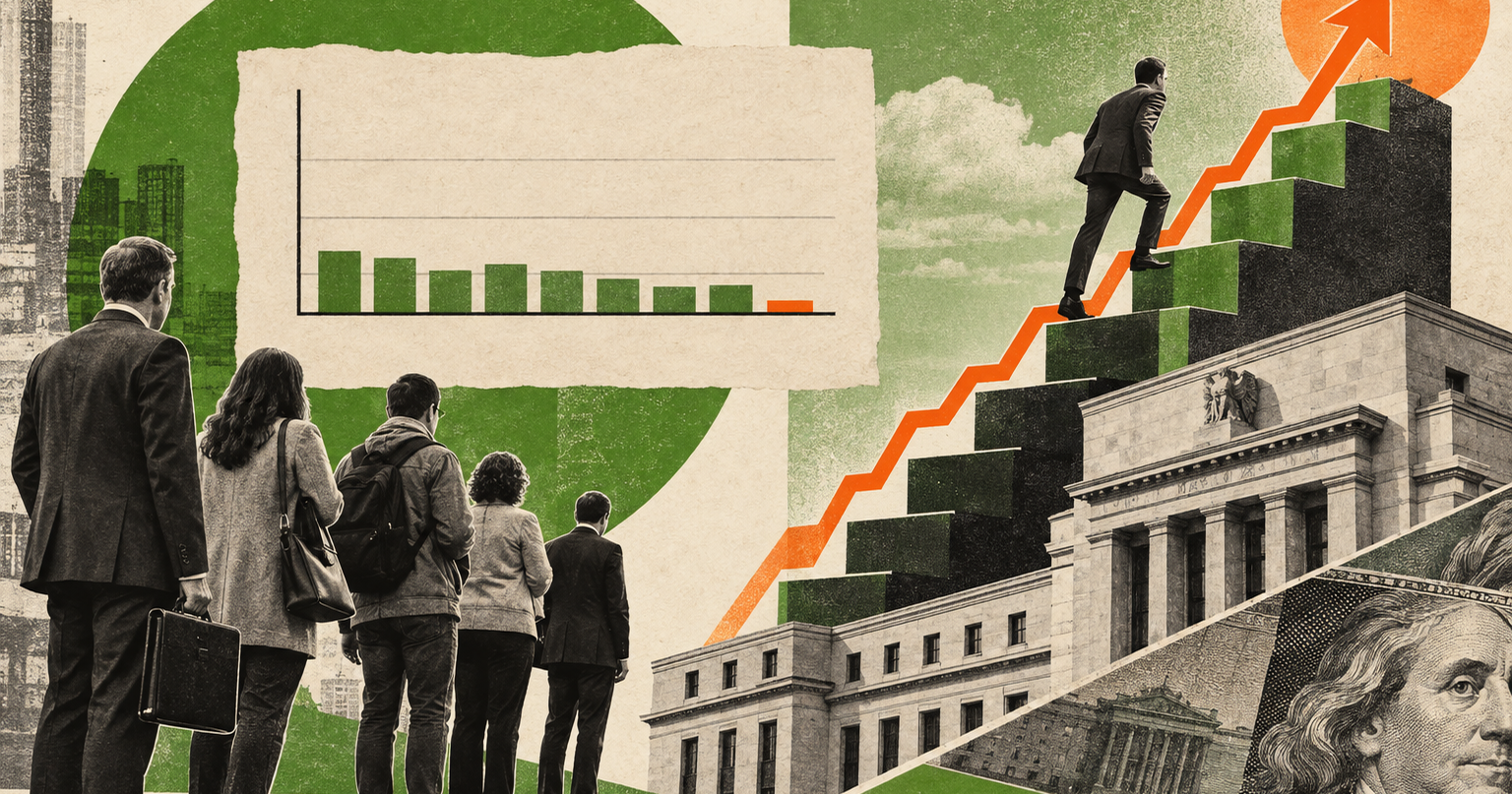
The US economy added just 29,000 jobs in September, about a third of the roughly 90,000 economists expected. For a few hours on Friday, 2 October, that looked like relief for anyone paying interest. By the afternoon, the bond market had taken it back.
The Labor Department's report was weak almost everywhere. August was revised down to 133,000 from 162,000, and July and August together lost a combined 60,000 jobs in revisions. Private employers added 46,000 while government shed 17,000.
Unemployment ticked up to 4.2% from 4.1%, partly because more people were looking for work, with participation at 61.8%. Retirements and the immigration crackdown are shrinking the pool of workers, which keeps the jobless rate from jumping even as hiring stalls. Average hourly earnings rose 0.1% on the month and 3.0% on the year, the slowest annual wage growth since May 2021.
The first reaction was textbook. Bonds and stocks rallied, the 10-year Treasury yield fell to about 5.205% and the 2-year to 4.758%. Odds of another Fed hike in October dropped as low as 12% before drifting back to around 21%.
Then the rally reversed. After touching a low of 5.157%, the 10-year climbed 4.72 basis points to 5.281%, and the 2-year rose to 4.827%. LSEG data showed traders still pricing an 86% chance of a December hike.
That put the 10-year on track for a fifth straight weekly gain, up about 10 basis points on the week, while the 30-year rose 13.2 basis points to around 5.63%. A week earlier the 10-year had touched about 5.34%, its highest since 2002.
The Fed set this stage when it raised rates on 16 September for the first time in about three years, to a 3.75% to 4.00% range. A cooling labor market would normally argue for patience, but traders are still betting on more tightening.
Households are feeling it. The day before the jobs report, Freddie Mac's 30-year mortgage rate jumped to 7.28%. With long yields still climbing, a soft September brought no relief for mortgages or corporate debt.
Some offers on this page may be paid placements or contain affiliate links.
Finpresso: daily AI & finance brief
Free daily newsletter, read in 5 minutes.
Subscribe free