
Shell Calls Australia's Gas Reserve Plan a Sledgehammer as Woodside Warns New Bass Strait Gas Would Not Pay
Australia will introduce a bill forcing east coast LNG exporters to reserve gas for local buyers. Shell calls it a sledgehammer, Woodside says it could kill a Bass Strait project, and China's embassy wants the rules relaxed.
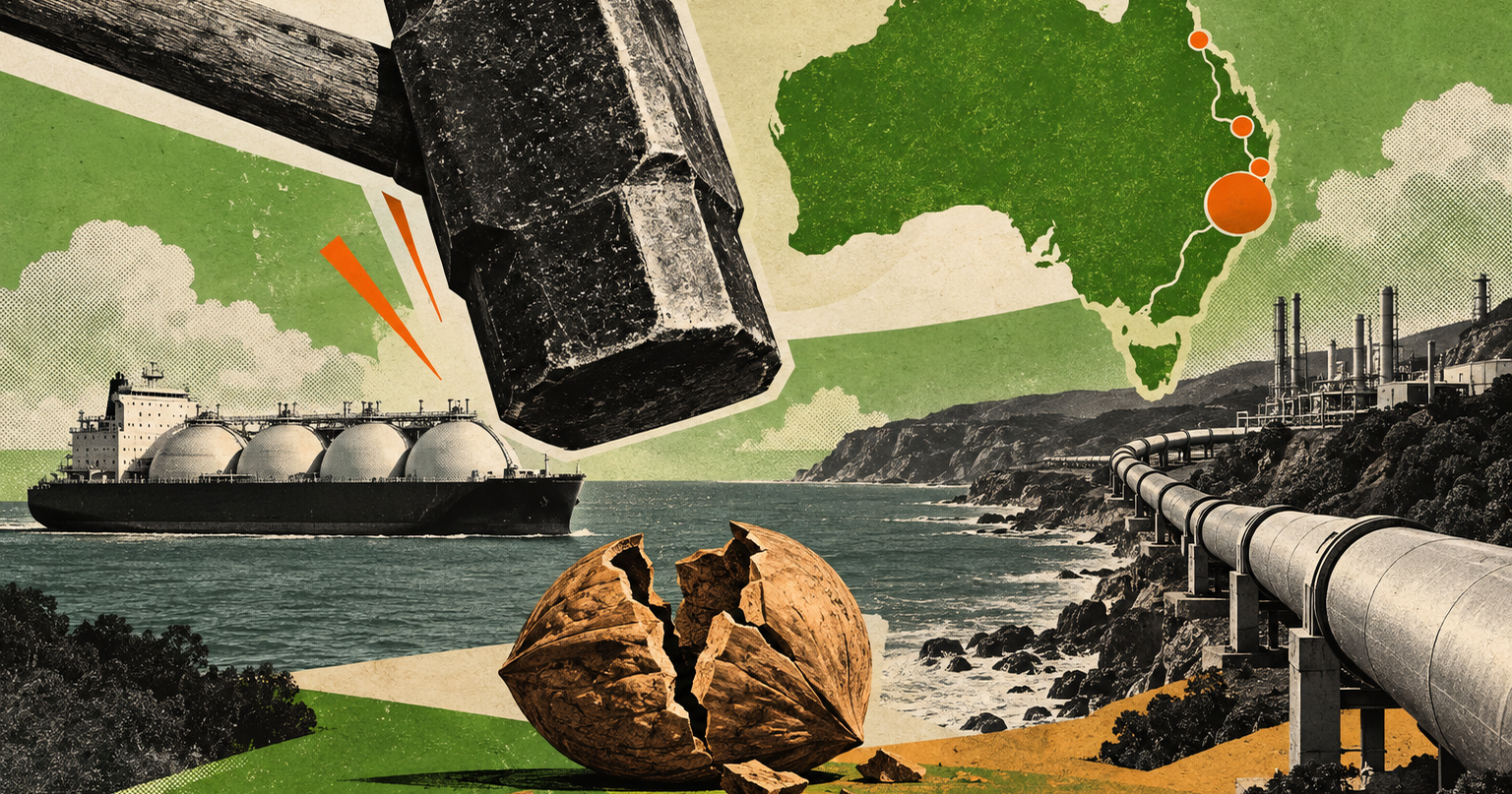
Australia's gas producers and the Albanese government are squaring off a day before the fight reaches parliament. On Wednesday, the government will introduce legislation forcing east coast LNG exporters to reserve part of their output for Australians. On Tuesday, Shell called the plan a sledgehammer, and Woodside said it could kill a new gas project before it starts.
The clash comes down to a trade-off: cheaper gas for households and industry now, or enough investment to keep gas flowing later.
"Fundamentally, it's a sledgehammer to crack a nut," Cecile Wake, chair of Shell Australia, told a conference in Sydney. "And it is an extraordinarily heavy-handed intervention into a market that is actually working well."
How the reserve would work
Under the draft, exporters would have to reserve up to one fifth of production, as set by the energy regulator, from January 1, 2028. The aim is to deliberately oversupply the east coast market at 110% of forecast demand. The government insists producers "must supply" that share locally, not merely offer it to buyers.
The rules cover spot-market and uncontracted gas. Existing long-term contracts with major international buyers, including in Asia, are untouched. Western Australia already runs a similar scheme.
Shell, Origin Energy and Santos would feel it most, as operators of the three east coast LNG export projects. Shell exports from Queensland Curtis LNG.
The industry's case
Wake said she does not oppose a domestic reserve in principle but sees two major flaws in the design. "We don't have a market failure today, but we will sow the seeds of tomorrow's market failure if we don't fix those two elements: the permanent material structural oversupply and a completely asymmetrical contracting market," she said.
"It is such a blunt instrument. It is not talking about modest downward pressure on prices," she added. In her view, it would "drive prices below the long-run marginal cost of bringing new production out."
Woodside made the same point with a concrete project. Chief operating officer Breyden Lonnie said the company is weighing a Bass Strait opportunity tied to its assets, "200 petajoules of gas," enough "to supply Sydney here or Melbourne for about two years of gas." If the scheme "particularly influences pricing, then that development, I can say with a high level of confidence, will not be commercial," he said.
The government holds its line
Resources Minister Madeleine King faced questions from Labor MPs in caucus on Tuesday. "We do not subsidise the gas industry," she told them, according to The Nightly. "Our priority is to get more affordable gas to Australian consumers."
King said there is no direct exemption for Western Australia, though the bill acknowledges structural differences between the markets. She is due to address the National Press Club on Wednesday.
China weighs in
One of Australia's major LNG customers has views too. In a submission on the exposure draft, the Chinese embassy in Canberra wrote: "We hope that the Australian government will make efforts to keep domestic gas prices at a reasonable level and moderately relax domestic supply obligations where appropriate."
The embassy said earlier interventions "may have helped constrain domestic gas prices and support domestic supply in the short term" but "have also affected investor confidence to some extent." China is a major importer of Australian LNG and holds stakes in several big gas projects in Queensland and Western Australia.
Why Canberra is acting
Australia is one of the world's largest LNG exporters and ships more gas overseas than it uses at home. But most of its big reserves sit in the northwest, far from the populous southeast where demand is concentrated. The reserve idea was first floated in May, after the competition regulator warned the east coast market could swing into deficit.
The timing makes every molecule matter. Global LNG markets are tight, with prices at their highest since 2022, and buyers elsewhere are anxious too, with Europe heading into winter on low gas storage. Canberra is betting it can keep more of that gas at home without scaring off the next wave of supply.
Some offers on this page may be paid placements or contain affiliate links.
Finpresso: daily AI & finance brief
Free daily newsletter, read in 5 minutes.
Subscribe free