
Uber cuts 3,300 jobs in biggest layoff since the pandemic
Uber is cutting about 3,300 roles, roughly 10% of staff, announced in a 2 September 2026 CEO email from Dara Khosrowshahi. It is the company's largest cut since COVID. The headcount base is disputed (about 34,000 at end-2025 vs about 36,600 as of 30 June). The real design is in the org math: a 20% cut among staff seven-plus layers below the CEO, near-halving of one-to-two-person micro-teams, and fully remote roles capped at about 1%. Khosrowshahi did not blame AI.
Uber is cutting about 3,300 roles, roughly 10% of its global workforce, in a restructuring CEO Dara Khosrowshahi announced in an internal email to staff on 2 September 2026. TechCrunch, which quoted the email, called it Uber's largest cut since the pandemic.
Read this as a restructuring disclosed by CEO email, not a securities filing, and not an AI story. CNBC notes Khosrowshahi did not attribute the cuts to AI. He framed them as flattening the org after years of growth and freeing up capacity to invest.
Even the base number is contested. CNBC and Reuters put Uber's headcount at about 34,000 at the end of 2025, while Axios cites about 36,600 as of 30 June from a public filing. Both numbers are in play, and which denominator you use changes what "10%" means.
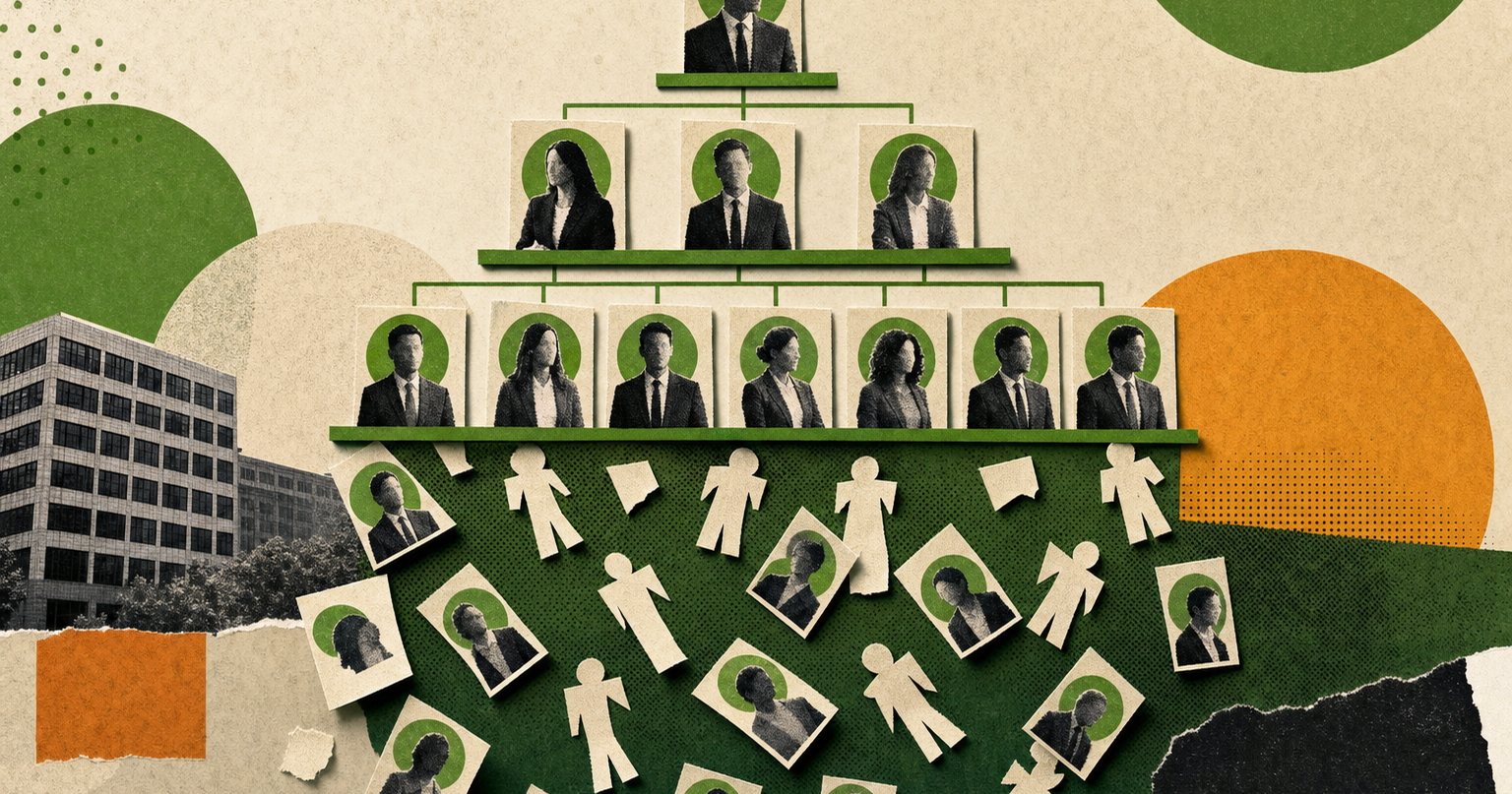
The org design is the part the wires left out of the headline. Employees seven or more layers below the CEO are being cut by about 20%, teams with only one or two direct reports are being reduced by nearly half, and going forward only about 1% of employees will be fully remote. Uber is also combining its engineering, science and delivery divisions and consolidating delivery across restaurants, retail and direct.
The stated motive, in Khosrowshahi's words, is to make Uber "simpler and faster" and to create capacity to invest, including a prior commitment of more than $10 billion to autonomous vehicles that CNBC references. That is capacity for AV spend, not robotaxis already replacing these roles, a bet whose payoff depends on the same rollout math playing out at Waymo's new robotaxi cities.
There is a same-day geographic move too. Uber is ceasing operations in Nigeria and Uganda as of 2 September, with a help centre open until 23 September for outstanding issues, while saying it remains in Egypt, Ghana, Kenya and South Africa.
The exact function mix of the 3,300 is not in the email excerpts, so treat any segment-level breakdown as unconfirmed. The move fits a wider debate about whether headcount is being reshaped or simply removed, a thread that also runs through the New York Fed's finding that AI is transforming work rather than cutting jobs and the broader question of whether finance jobs get replaced by AI.
For an investor, a driver-partner or a competitor, watch three things next: whether the AV spend Uber is freeing capacity for shows up against margin, whether the Nigeria and Uganda exits signal a broader African pullback or a one-off, and whether the flattening and the near-total end of remote work actually stick once the reorg settles.
Some offers on this page may be paid placements or contain affiliate links.
Finpresso: daily AI & finance brief
Free daily newsletter, read in 5 minutes.
Subscribe free