
US Consumer Confidence Crashes to a 12-Year Low Amid Surging Fuel Prices and Job Fears
The Conference Board's confidence index fell 6.7 points to 81.9 in September, its lowest since about 2014, as fuel prices, rate fears, and job worries piled up.

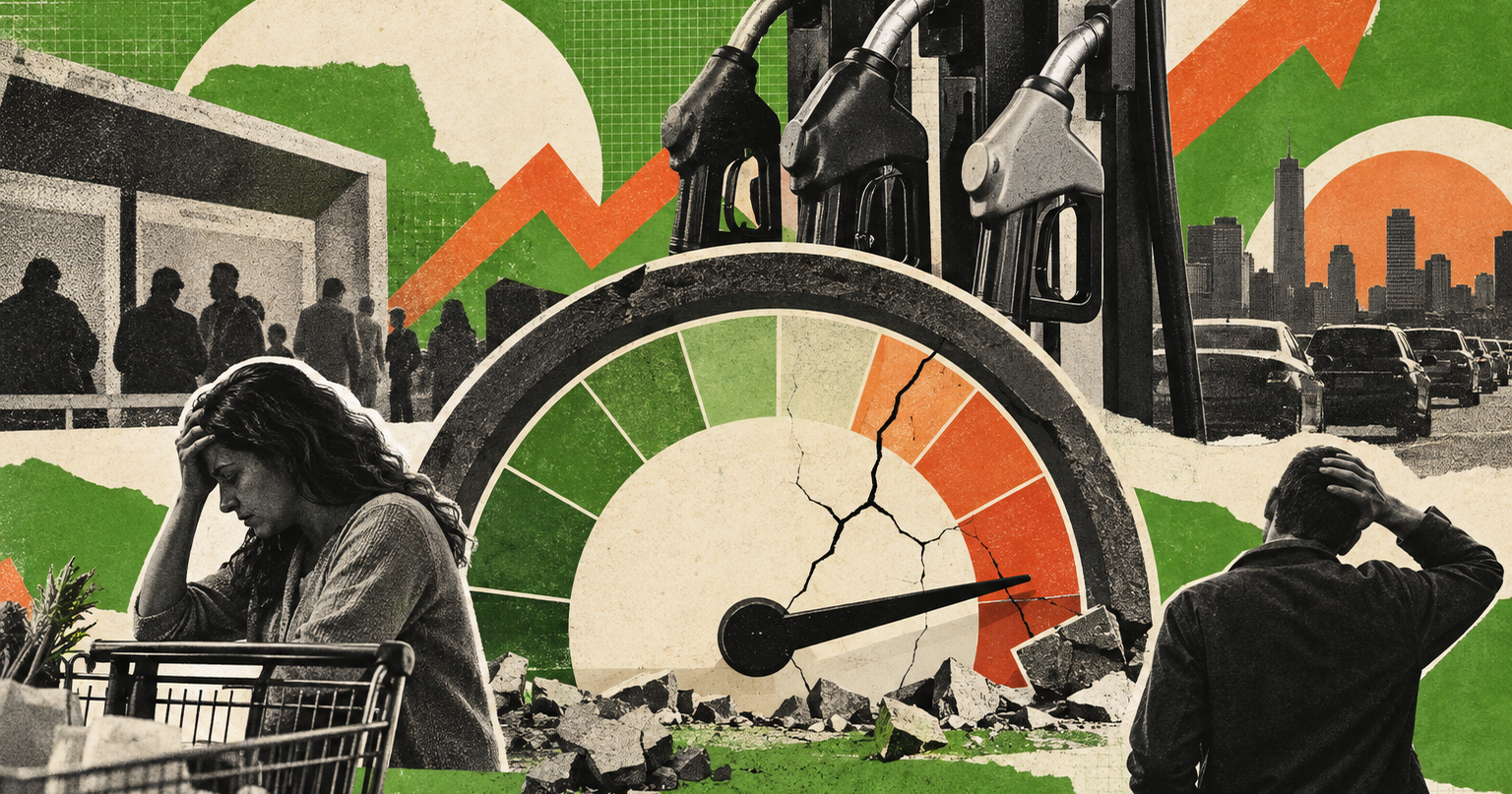
American consumers just had their worst month of mood in about 12 years. The Conference Board's Consumer Confidence Index fell 6.7 points in September to 81.9, its lowest reading since around 2014 and far below the 89.2 economists had expected.
The miss was not close, and the details underneath it are worse than the headline. People feel poorer now, expect to feel poorer later, and are increasingly worried about their jobs.
Every gauge pointed down
The Present Situation Index, which tracks how people feel about business and jobs right now, dropped 7.9 points to 109.3. Net views of current business conditions turned negative for the first time since September 2024.
The Expectations Index fell 5.9 points to 63.6. That is its third straight monthly decline.
The most striking number may be the simplest. For the first time since the question was added about four years ago, more respondents described their family's current financial situation as "bad" than "good."
Fuel prices did the damage
Dana M. Peterson, chief economist at the Conference Board, said written responses were mostly pessimistic. Mentions of prices, the high cost of goods and services, and oil and gas prices rose to new heights as fuel surged in September.
That shows up in expectations, too. Average 12-month inflation expectations climbed 0.3 percentage points to 6.1 percent, with the median at 5.1 percent. Those are the kinds of numbers central bankers hate to see, because expectations of inflation tend to feed real inflation.
The fuel shock is not just an American story. Britain has been dealing with its own version, as a fuel shock pushed UK inflation higher.
Rates and jobs add to the gloom
The survey ran from September 1 to 23, a window that included a federal funds rate hike. Consumers noticed. The share expecting higher interest rates over the next year jumped 5.2 points to 68.4 percent.
Higher rates hit households directly through mortgages, car loans, and credit cards, and they come at a moment when people are already stretched by prices at the pump.
The job market is where the mood turns from sour to anxious. The labor market differential, which subtracts the share saying jobs are "hard to get" from those saying they are "plentiful," fell to its lowest level since February 2021.
A mood crash, not a recession call
None of this is an official recession signal. Consumer confidence measures how people feel, and feelings do not always translate cleanly into spending. Americans have reported gloom before and kept shopping anyway.
But the combination here is hard to dismiss. Prices are rising, rates are going up rather than down, and workers are losing faith that a new job would be easy to find if they needed one.
Governments elsewhere are feeling the squeeze from the bond market side, as France showed with a record bond sale to fund its deficit. In the US, the pressure is now landing on households, and September's survey shows they feel it.
Some offers on this page may be paid placements or contain affiliate links.
Finpresso: daily AI & finance brief
Free daily newsletter, read in 5 minutes.
Subscribe free