
Interest on US Debt Topped $1 Trillion and Outran Defense as Trump's Team Calls the $2 Trillion Deficit a Blip
The US paid $1.052 trillion in net interest in fiscal 2026, more than it spent on defense, as the deficit rose 12% to $1.992 trillion, the third largest on record. Trump's team blames tariff refunds while long Treasury yields sit at 24-year highs.

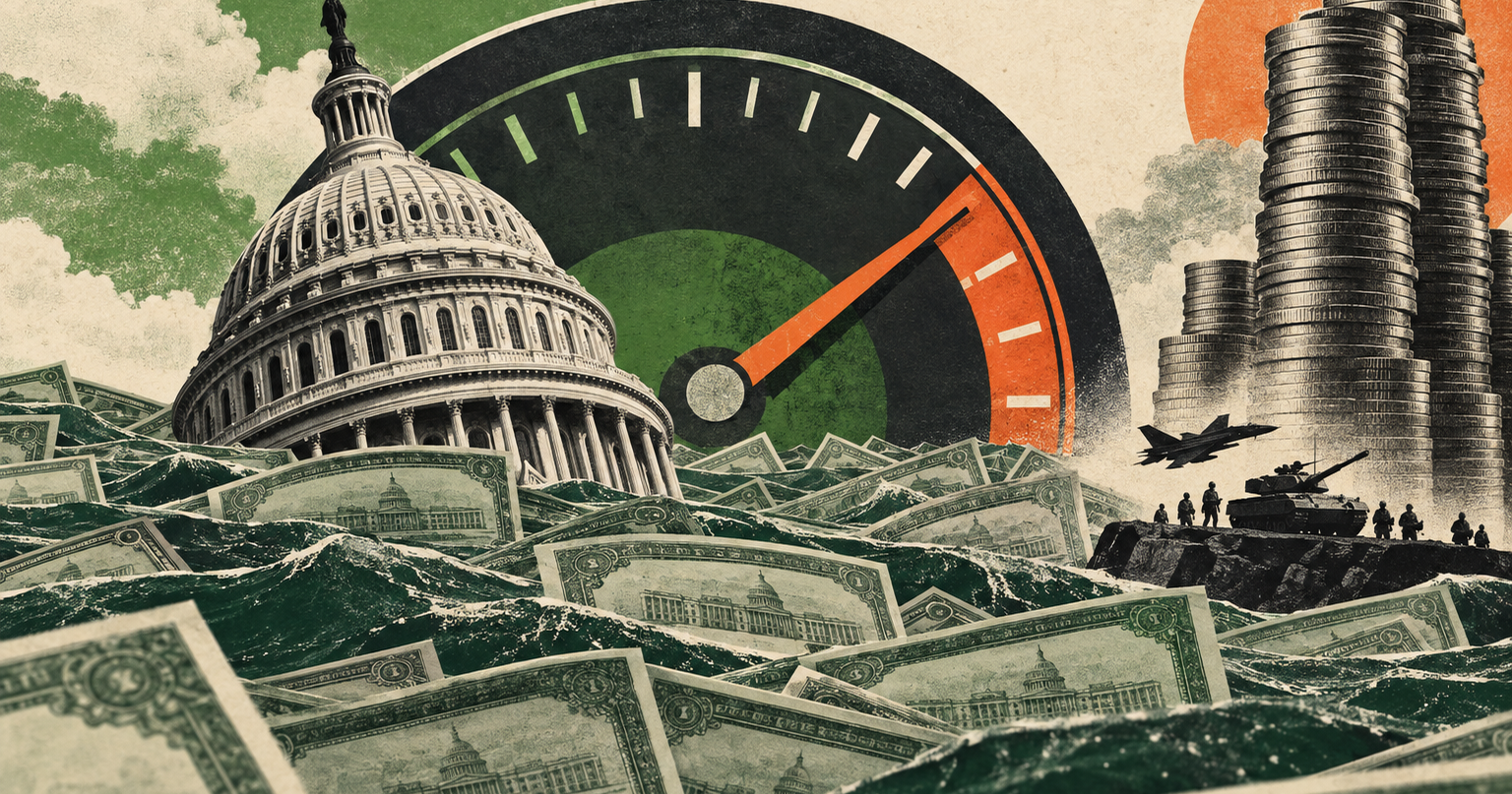
The United States spent $1.052 trillion on net interest in fiscal 2026, more than it spent defending the country. The deficit grew about 12% to $1.992 trillion, according to the Treasury's final monthly statement, the third largest on record behind only the pandemic years of 2020 and 2021.
Debt service is now one of the biggest things Washington pays for, and it feeds itself: higher interest widens the deficit, which means more borrowing, which means more interest. Bond traders have noticed, sending 10-year and 30-year Treasury yields to 24-year highs last week, CNBC reported.
Where the money went
Receipts hit a record $5.403 trillion and outlays a record $7.396 trillion. Social Security was the largest line at $1.667 trillion, followed by Medicare at $1.073 trillion and net interest at $1.052 trillion, up from $970 billion a year earlier. National defense came in below interest. Counting gross interest on the public debt, before interest the government receives, the bill was more than $1.3 trillion.
It was the 25th straight year of deficits; the last surplus came in 2001. The shortfall equaled about 6% of GDP. Total debt passed $40 trillion in August, now sits above $40.3 trillion and has more than doubled in a decade.
The blip argument
Members of Trump's team have tried to frame the tally as a blip and insist the fiscal picture is coming under control, Yahoo Finance reported. Treasury Secretary Scott Bessent has focused on tariff refunds ordered by the Supreme Court, $144.6 billion over the past year, after the court ruled in February that the emergency powers law Trump used did not authorize many of his tariffs.
The refunds are real. Gross customs duties hit a record, yet net customs revenue came in at just $173 billion. But the rest of the ledger points elsewhere. Corporate income taxes fell about $70 billion to $381 billion after cuts in the One Big Beautiful Bill Act. A Bloomberg Government analysis found Homeland Security spending up 146% from 2025. Individual income taxes rose about 7% to $2.846 trillion, but total revenue grew only about 3% while spending jumped about 6%.
Bessent told CNBC in August that the US can "grow our way out of" its debt. "Our message to our allies, our trading partners, is that global growth is the way to take care of this mountain of debt," he said. The Committee for a Responsible Federal Budget warns annual deficits could reach $3.1 trillion by 2036 without a change in course; its president, Maya MacGuineas, called the shortfall "the highest ever outside of a war or recession."
Rates, war and a familiar bind
Rates are part of the squeeze. They are rising partly because of the inflationary impact of the Iran war, Axios noted, the same conflict that recently pushed Brent crude to a five-month high. Budget watchdogs put interest costs at a record share of the economy.
The last time interest costs came close to this, George H.W. Bush was president. His administration struck a bipartisan deficit deal that raised taxes, breaking his "Read my lips, no new taxes" pledge and arguably costing him reelection. In the 1990s, the Clinton administration and Congress balanced the budget with tax increases and spending cuts.
Neither party shows much appetite for that kind of deal now. The bond market may end up making the case for them.
Some offers on this page may be paid placements or contain affiliate links.
Finpresso: daily AI & finance brief
Free daily newsletter, read in 5 minutes.
Subscribe free