
US Cuts 2031 Fuel Economy Target to 34.9 MPG and Hands Automakers a $60 Billion Break
The US Transportation Department finalized a fleetwide fuel economy average of 34.9 mpg by 2031, far below the 50.4 mpg target set under President Biden.

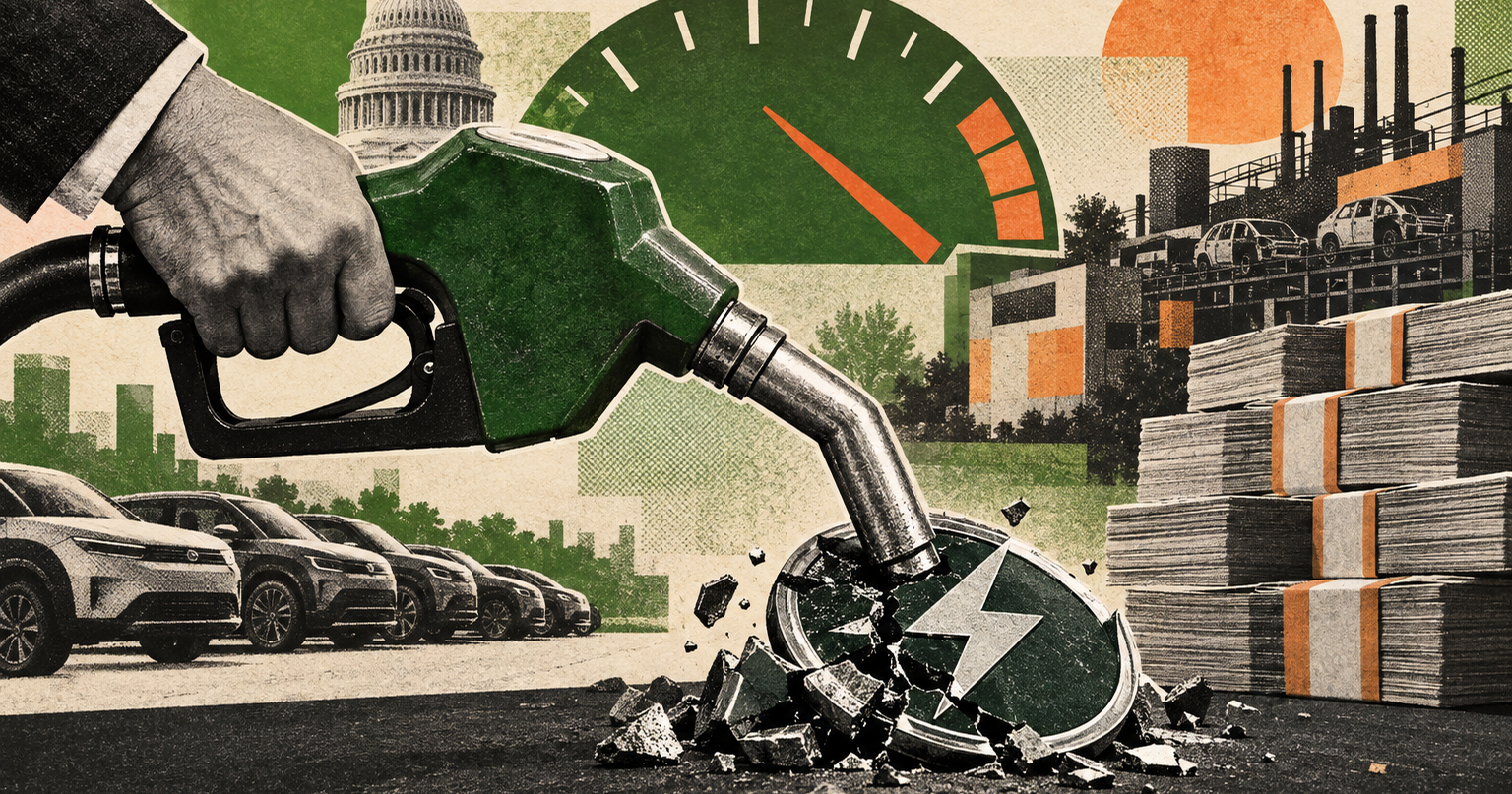
Detroit just got the rulebook it wanted. The US Transportation Department finalized new, lower fuel economy standards that set a fleetwide average of 34.9 miles per gallon by 2031, far below the 50.4 mpg target set under President Biden.
The old target was meant to push carmakers toward more efficient and electric vehicles. The new one takes that pressure off, and it is widely seen as a boost for gas-powered cars and trucks.
Who saves what
The Trump administration estimates the change will cut automakers' technology costs by about $60.6 billion through 2031. The savings are concentrated in companies with big truck and SUV lineups.
Stellantis comes out ahead by about $6.6 billion and Ford by $5.8 billion, according to Automotive News figures reported by OilPrice. Toyota saves about $4.5 billion and Honda $4.1 billion.
The Alliance for Automotive Innovation, the industry's main lobby, called the rollback an "appropriate course correction."
The losers build EVs
One line in the rules matters more than the headline number for a handful of companies. The credit-trading compliance system ends in model-year 2028.
Under that system, automakers that fell short of the standard could buy credits from those that beat it. Companies that sell only electric vehicles, such as Tesla and Rivian, earned credits on every car and sold them to rivals. That revenue stream has been a major financial cushion, and it now has an expiry date.
Legacy automakers keep more cash, and pure EV makers lose income that cost them almost nothing to produce.
Cheaper cars, pricier fill-ups
Environmental groups argue the timing is hard to defend. American drivers are still paying high fuel prices tied to the war in Iran, with Brent crude pushing past $108 after Trump rejected Tehran's offer to reopen the Strait of Hormuz. In their view, the rule gives automakers a break while locking drivers into thirstier vehicles for years.
It also widens the gap with the rest of the world's car market. Europe still aims for a 100 percent reduction in new-car tailpipe emissions by 2035, and China is keeping its dual-credit mandates for new energy vehicles. Automakers that sell globally will have to keep engineering for those rules, whatever Washington asks of them at home.
Some offers on this page may be paid placements or contain affiliate links.
Finpresso: daily AI & finance brief
Free daily newsletter, read in 5 minutes.
Subscribe free