
Judge Lets Thousands of Banks Team Up to Sue Apple Over Billion-Dollar Apple Pay Fees
A federal judge certified a class of US card issuers suing Apple over Apple Pay fees that plaintiffs say reach as much as $1 billion a year.

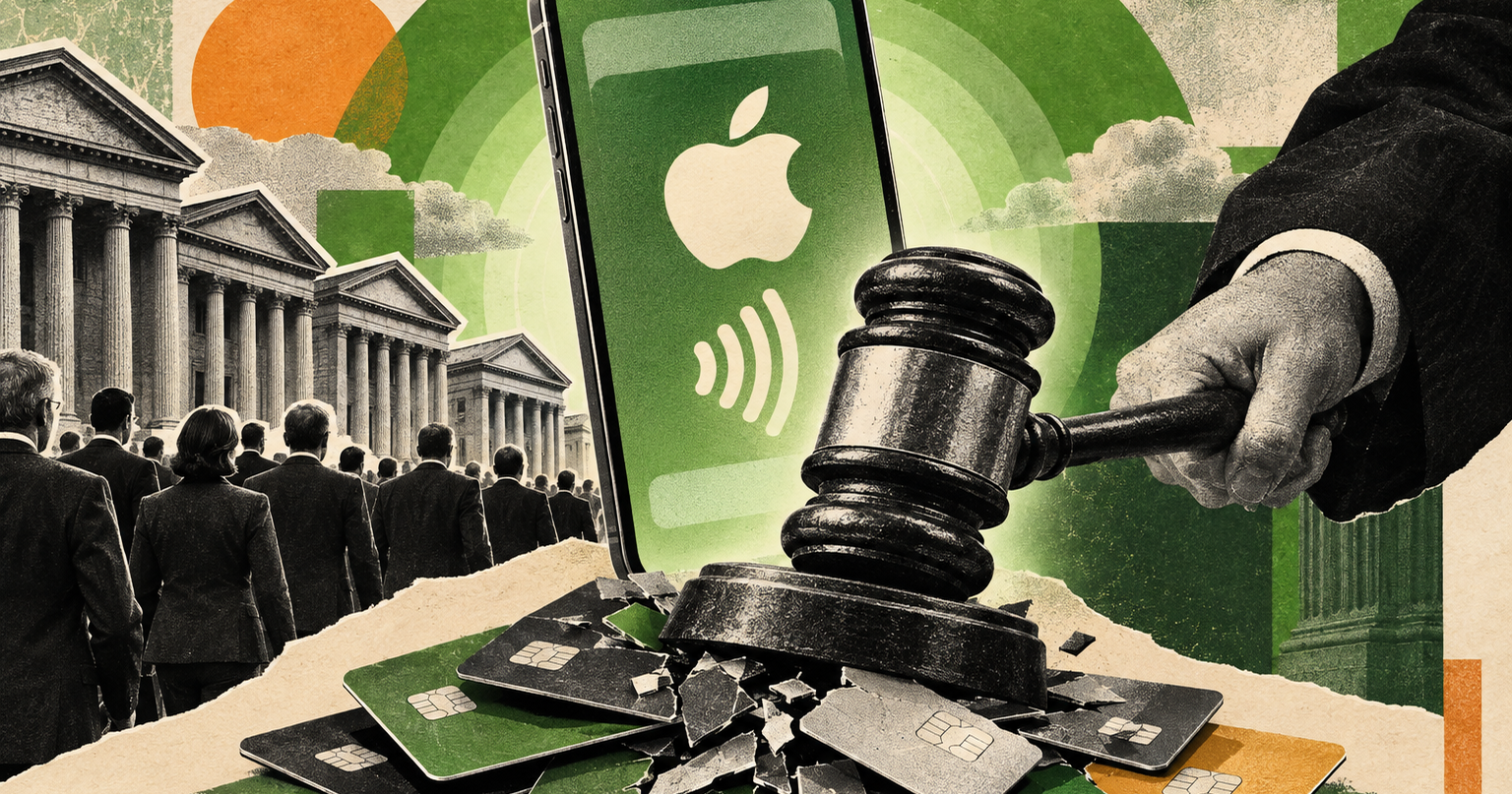
Every time you tap an iPhone to pay, your bank pays Apple a cut. Banks have long grumbled about it. Now they get to fight it together.
US District Judge Jeffrey S. White certified a class action that lets US payment-card issuers sue Apple as one group over Apple Pay fees. The class covers every US entity that issued Apple Pay-enabled cards and paid Apple fees on those transactions. That means thousands of banks and credit unions pooling one antitrust case against one of the world's richest companies.
The fee Android does not charge
The numbers are small per swipe and huge in total. Apple charges issuers 0.15% on credit-card Apple Pay transactions and half a cent on debit. The plaintiffs, represented by Hagens Berman, say that adds up to as much as $1 billion a year.
Their best argument is the comparison. Android mobile wallets charge issuers nothing for contactless payments. The suit, filed in 2022, claims Apple could charge what it wanted because it locked rivals out of the iPhone's NFC chip, leaving Apple Pay as the only way to tap and pay in a store.
Apple loses an early fight over experts
Judge White also denied Apple's bid to exclude expert testimony the plaintiffs say proves monopoly power. That testimony frames two markets: a tap-and-pay mobile wallet aftermarket on iOS, and a broader mobile wallet market. The banks want their fees back and an injunction against the policies.
Nobody has found Apple liable, and no damages have been awarded. Class certification only means the issuers can press their claims jointly, which makes the case far more expensive for Apple to fight.
Apple already opened the door, partly
The landscape has shifted since 2022. Starting with iOS 18.1, Apple opened NFC contactless payment APIs to third-party developers in the US and many other countries. That weakens the lockout claim going forward, but it does nothing for the fees banks already paid, and those are what the class is chasing.
It adds to a crowded docket. Apple's services business is under antitrust pressure on several fronts, and Apple Pay's fee has now joined the list, with the banks that pay it lined up as a single plaintiff.
Some offers on this page may be paid placements or contain affiliate links.
Finpresso: daily AI & finance brief
Free daily newsletter, read in 5 minutes.
Subscribe free