
Treasury Hit Bank of America With More Than $1.21 Billion for AML and Sanctions Failures
Treasury penalized Bank of America more than $1.21 billion for anti-money laundering and sanctions failures, the third-largest penalty in Treasury history.
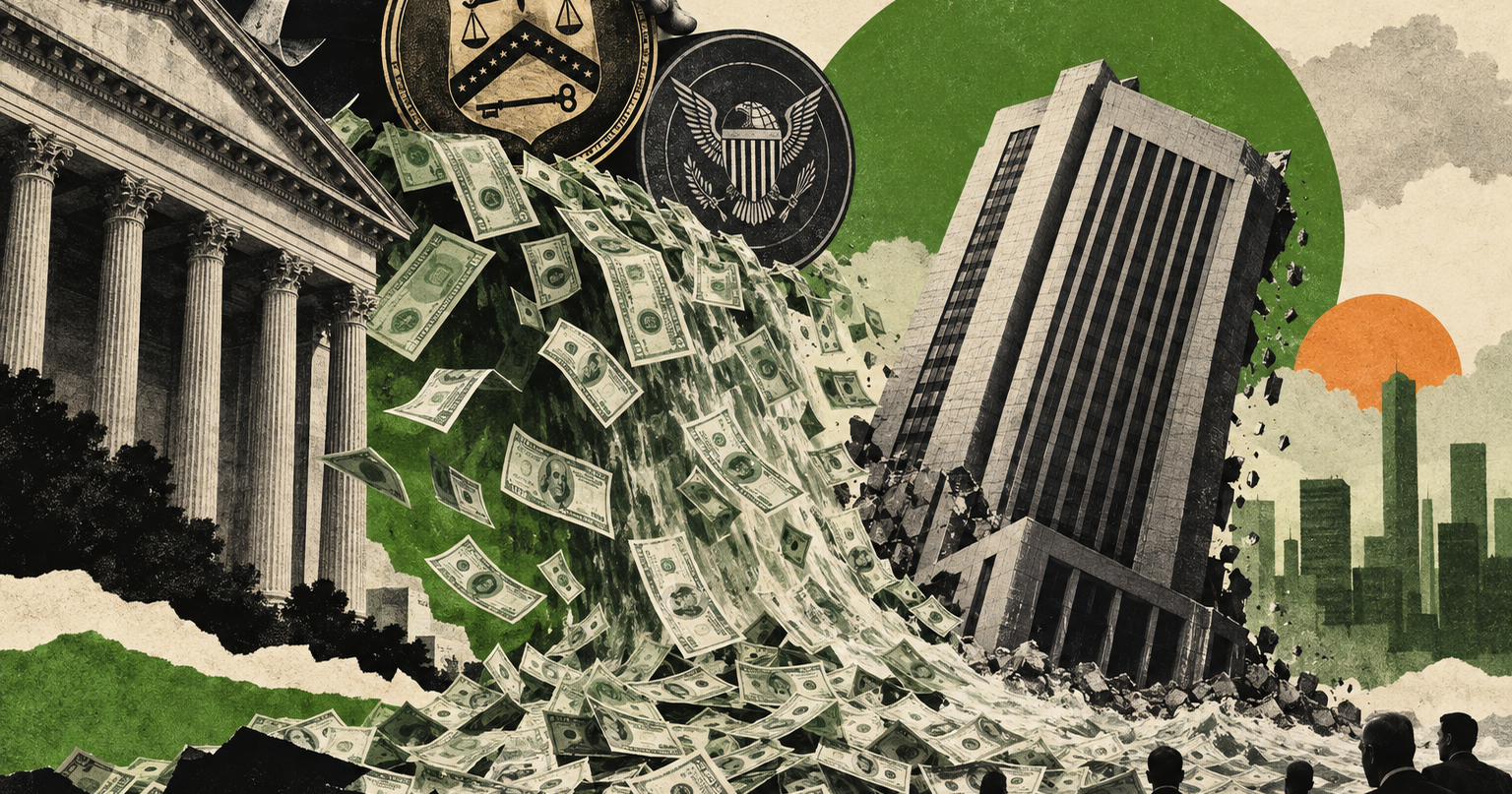
Bank of America just took one of the biggest regulatory hits in Treasury history. Three arms of the U.S. Treasury imposed more than $1.21 billion in penalties on the country's second-largest bank on Tuesday for letting suspicious money move through its systems for years.
It is the third-largest penalty in Treasury history and the largest ever from the Office of the Comptroller of the Currency.
"When a bank of this size fails to meet its anti-money laundering and sanctions obligations, the consequences extend far beyond its own walls, exposing the entire U.S. financial system to significant illicit finance risks," Treasury Secretary Scott Bessent said. "Today's actions send a clear message that even the biggest financial institutions are not above the law."
How the money stacks up
The headline number comes from three overlapping actions. FinCEN assessed a $1.2 billion penalty. The OCC separately imposed a $750 million civil money penalty, which is paid to Treasury and credited toward the FinCEN total rather than added on top.
OFAC then settled separately for $11,662,930, covering 475 apparent sanctions violations. Put together, Treasury describes the package as more than $1.21 billion.
Bank of America admitted it willfully violated the Bank Secrecy Act. It failed to maintain a minimum anti-money laundering program, failed to conduct due diligence on foreign correspondent accounts, and failed to file suspicious activity reports.
$5 billion nobody flagged
The core failure is what the bank did not tell regulators. It failed to report more than $5 billion in suspicious transactions to FinCEN on time.
More than $1 billion of that touched what Treasury calls priority national security risks: Chinese money laundering networks, fraud, and potential trade-based money laundering with a nexus to the southwest border.
The OCC's findings are blunt. The bank's transaction monitoring failed to properly watch trillions of dollars in activity. It filed large numbers of late reports involving billions of dollars. And it knew for years that it was failing to escalate potentially suspicious activity.
The regulator also found skill and training gaps in the BSA Officer's team. Even after a December 2024 cease-and-desist order on these exact issues, the bank kept failing to escalate cases and processed potential trade-based money laundering because of a monitoring gap.
Sanctions slips across seven programs
The OFAC settlement covers apparent violations of programs targeting Russia, Belarus, Iran, Burma, and Somalia, plus narcotics and global terrorism sanctions.
OFAC called the violations non-egregious. But most were not voluntarily disclosed, and the bank got no mitigation reduction. At about $11.7 million, the sanctions piece is small next to the FinCEN penalty, but it adds hundreds of separate breaches to the record. The Russia piece lands while senators are already pressing on Russian diesel deals and sanctions law.
What the bank has to do now
The penalty is only part of it. Under a consent order, Bank of America must hire a third party to run a lookback that finds and reports the suspicious transactions it missed.
It also faces independent reviews of its suspicious activity monitoring, customer due diligence, foreign correspondent diligence, and anti-money laundering data governance. Those reviews must cover risks tied to the southwest border, cartels and narcotics, Iran, and Russia.
For a bank that had already been told to fix this in 2024, the bill has now arrived in full.
Some offers on this page may be paid placements or contain affiliate links.
Finpresso: daily AI & finance brief
Free daily newsletter, read in 5 minutes.
Subscribe free