
Barclays Will Cut 5,000 Jobs and Credit AI, Days Before a Budget That Could Hit Banks With Higher Taxes
Barclays reported a 12% rise in quarterly profit and said it expects about 5,000 fewer staff by the end of 2026, partly because AI makes its people more productive.

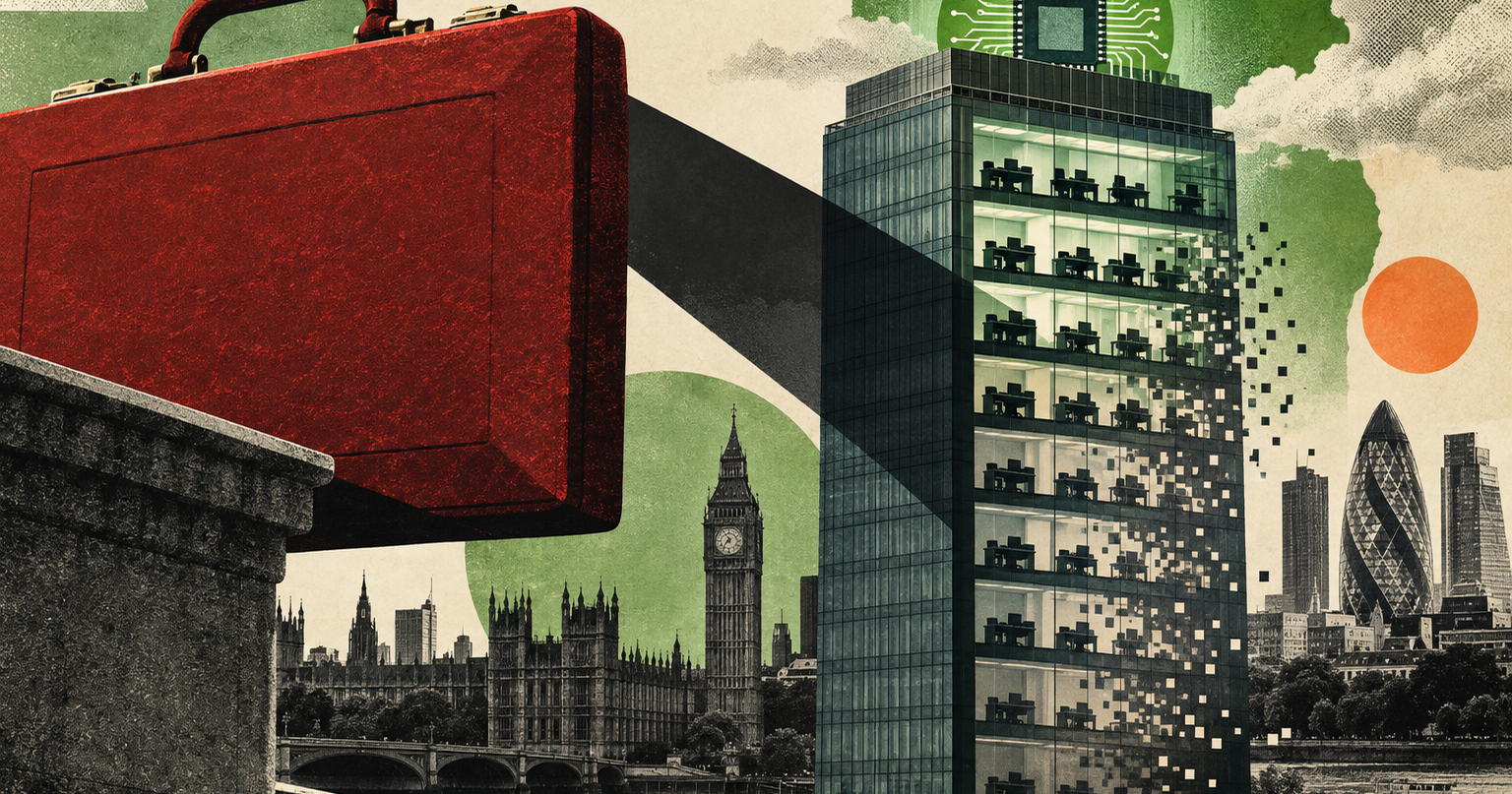
Barclays had a good quarter and a blunt message for its staff. On October 22 the bank reported a 12% jump in profit, promised shareholders another £500 million, and said it expects about 5,000 fewer full time employees by the end of 2026.
That is about 5% of its roughly 93,000 people worldwide. Around 1,000 have already gone since January, and the other 4,000 are due to leave by the end of December. Finance chief Anna Cross tied part of it directly to AI: about 60% of the actions are in support functions, she said, "including fewer developers, as AI makes our people more productive."
The timing is awkward. The results land six days before an October 28 Budget in which campaigners want bank profits taxed harder.
Profit up, trading down
Pre tax profit for July to September came in at £2.3 billion, up from £2.1 billion a year earlier, the Guardian reports. It still missed analyst forecasts after fixed income trading income fell 19% to £1 billion, and the shares dropped 2.5% in early London trading.
"I am disappointed, and you can be sure this will get my attention," chief executive CS Venkatakrishnan said of the trading miss.
UK retail net interest income rose 6% to £2 billion as rates climbed on inflation fears driven by the Iran war. That line is exactly what bank tax campaigners point to. The extra £500 million takes buybacks and dividends since January to £2.8 billion.
AI, or just "the icing"
The job cuts are part of a plan to save more than £1.1 billion in 2027, with most of the savings coming from the UK retail bank and some from the investment bank. Barclays booked about £200 million of structural cost actions in the third quarter and roughly £600 million for the year, about double its earlier plan, according to The Next Web. It expects a further £300 million of savings in the fourth quarter.
Asked how many of the cuts are down to AI, Venkatakrishnan would not give a number. He credited "deep investments" in technology and simpler processes instead. "That is driving the bulk of the efficiency gains that you've seen so far. AI has an important role to play and may have a more important role to play in the future," he said. AI, in his words, is "the icing on the cake, it's not the cake."
Unions were not persuaded. "The company is using AI as an excuse to discard its loyal and long-suffering workforce," said Unite general secretary Sharon Graham, adding that Barclays workers "deserve better" and that the bank "is guilty of taking a short-term, kneejerk approach."
Barclays is not alone. Standard Chartered plans to cut more than 7,000 jobs over four years as it leans on AI, about 15% of back office roles by 2030, and insurer Allianz has said up to 1,800 call centre jobs will go. Other giants are drawing lines of their own, with JPMorgan blocking outside AI agents from its systems.
The Budget question
Chancellor John Healey delivers his first Budget on October 28, and Andy Burnham's government is looking for revenue to fund cost of living support. Banks could face higher taxes.
The TUC wants exactly that. "Barclays' bumper profits aren't an anomaly. All the big banks are doing exceptionally well," said general secretary Paul Nowak. "Britain's big four banks have made £200bn in profit since 2021. They can and should pay more tax."
Venkatakrishnan was asked whether higher levies might push Barclays to shift assets to the US. He said the bank could absorb them, calling the cost "bearable" and saying the question was not about "a financial hit to us" but "a question of proportion and it's a question of market signalling." He added that he respects the chancellor's responsibility and that "he has our full support and backing."
Healey, for his part, told the Times he wants to be "a chancellor who backs business in Britain making a profit." On October 28 he decides how much of Barclays' profit that leaves alone.
Some offers on this page may be paid placements or contain affiliate links.
Finpresso: daily AI & finance brief
Free daily newsletter, read in 5 minutes.
Subscribe free