
America Runs the G20 This Year, and Bessent Is Skipping the IMF Meetings as Treasury Yields Hit a 25-Year High
Treasury Secretary Scott Bessent will skip the IMF and World Bank annual meetings in Bangkok, where the US would normally chair G20 finance talks, as a war-driven energy shock, record debt and 25-year-high Treasury yields weigh on the world economy.
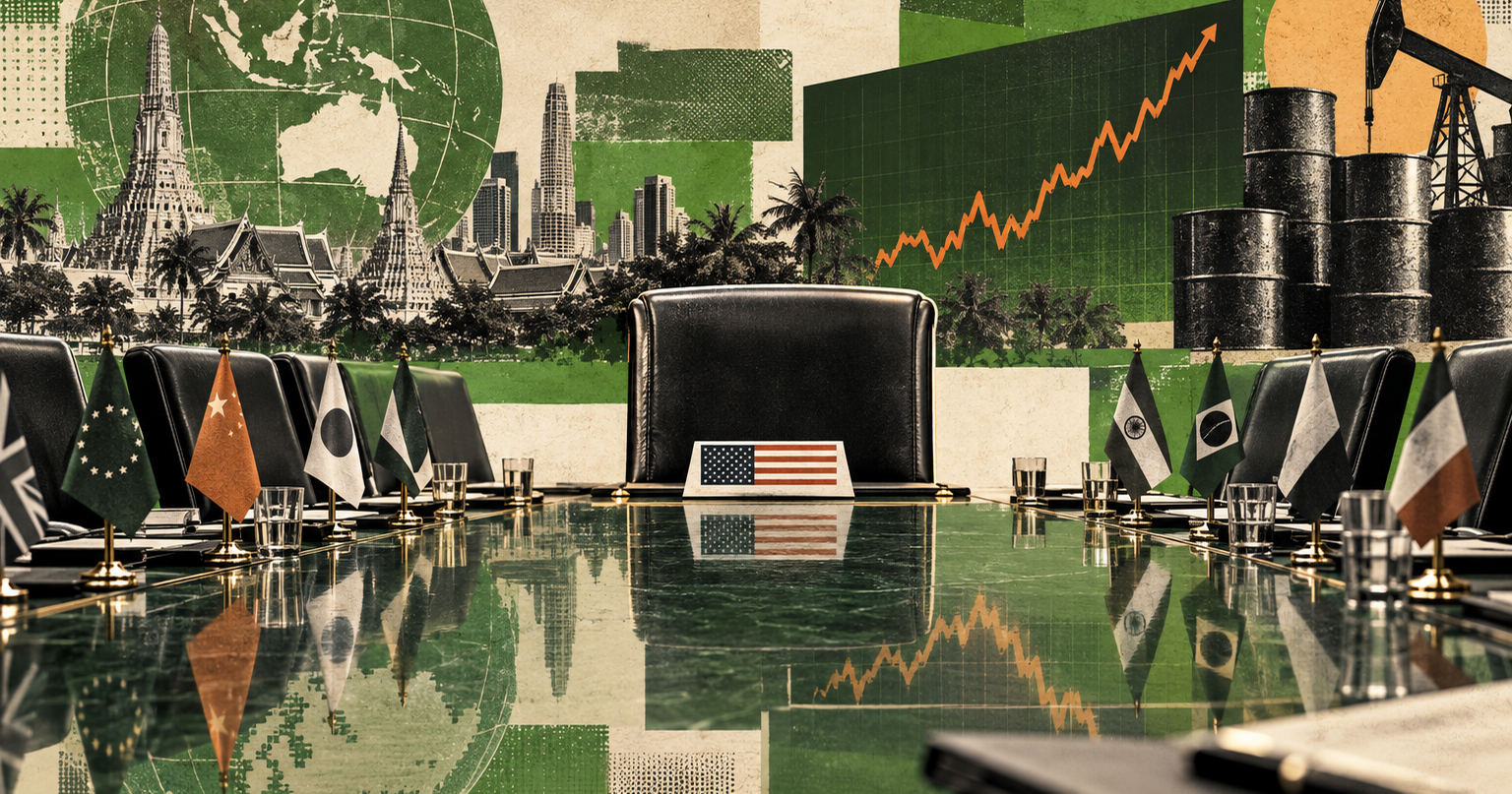
The world's finance ministers are gathering in Bangkok at one of the worst moments in years, and the man who runs the US Treasury will not be there.
Treasury Secretary Scott Bessent will skip this week's IMF and World Bank annual meetings because of "domestic engagements," a US official told Reuters. Deputy Treasury Secretary Francis Brooke and Under Secretary for International Affairs Erin Browne will lead the delegation instead. It is not clear what is keeping him home, though Bessent has been a key voice on domestic economic policy as the midterms approach.
The chair's seat sits empty
The absence matters more than usual. The US holds the G20 presidency in 2026, so Bessent would normally chair a meeting of G20 finance ministers and central bank governors during the Bangkok meetings, which run October 12 to 18. Many of his counterparts use these gatherings for one-on-one talks with Washington, and his absence could disappoint them.
Senior officials have missed such meetings over scheduling before. Bessent himself skipped G20 meetings in South Africa in 2025, amid US opposition to that country's land reform policies. He is expected at the G20 leaders' summit in Miami in December.
Treasury's message for the week is blunt. US officials will push for "more transparency and more effective approaches to sovereign debt," with creditors and borrowers "held to clear and consistent standards," and the US, as the biggest shareholder, will press the IMF and World Bank to stick to their core mandates. "Our engagement in Bangkok will be guided by a clear objective: ensuring that the international financial institutions and the broader international economic system advance US economic and national security interests," the statement said.
A grim backdrop
The setting could hardly be tenser. The US-Israeli war with Iran is in its eighth month and has caused the largest disruption to global energy supplies on record. These are the first annual meetings held outside Washington in three years.
World Bank President Ajay Banga has warned that diesel and fertilizer prices, plus a possible extreme El Nino, are converging. The G7 agreed to release 100 million barrels of diesel and crude from reserves after pressure from Trump, who wants lower gas prices before November's elections. Brent still settled Friday at $104.72.
"Winter is coming," IMF chief Kristalina Georgieva said. The fund sees global growth of about 3% in 2026, little changed, with possible downgrades for Ukraine and the Gulf states. It also says global public debt is at its highest since World War Two and will top 100% of GDP by 2030, with the US among the countries carrying the highest debt-to-GDP ratios.
The bond market everyone is watching
That US debt is the part the rest of the world can't ignore. The benchmark 10-year Treasury yield hit 5.36% on Wednesday, its highest in more than 24 years, before ending the week near 5.24%. The move adds weight to warnings that the 10-year could reach 6%.
Those rates pull money out of poorer economies. Emerging markets face capital outflows as investors chase higher US returns, which makes their own borrowing costlier just as energy bills climb.
So the ministers in Bangkok will spend the week talking about debt, energy and growth, with the country that chairs the G20, holds the largest stake in the IMF and runs the bond market rattling everyone else sending its deputies to the table.
Some offers on this page may be paid placements or contain affiliate links.
Finpresso: daily AI & finance brief
Free daily newsletter, read in 5 minutes.
Subscribe free