
Bessent Tells the World Bank to Bankroll Oil and Gas Again, and the IMF to Sell Off Its Hotel
Treasury Secretary Scott Bessent urged the World Bank to formally drop its ban on financing upstream oil and gas, pushed deep-sea mining and faster graduation for China, and called for board pay freezes and for the IMF to divest the Concordia Hotel.

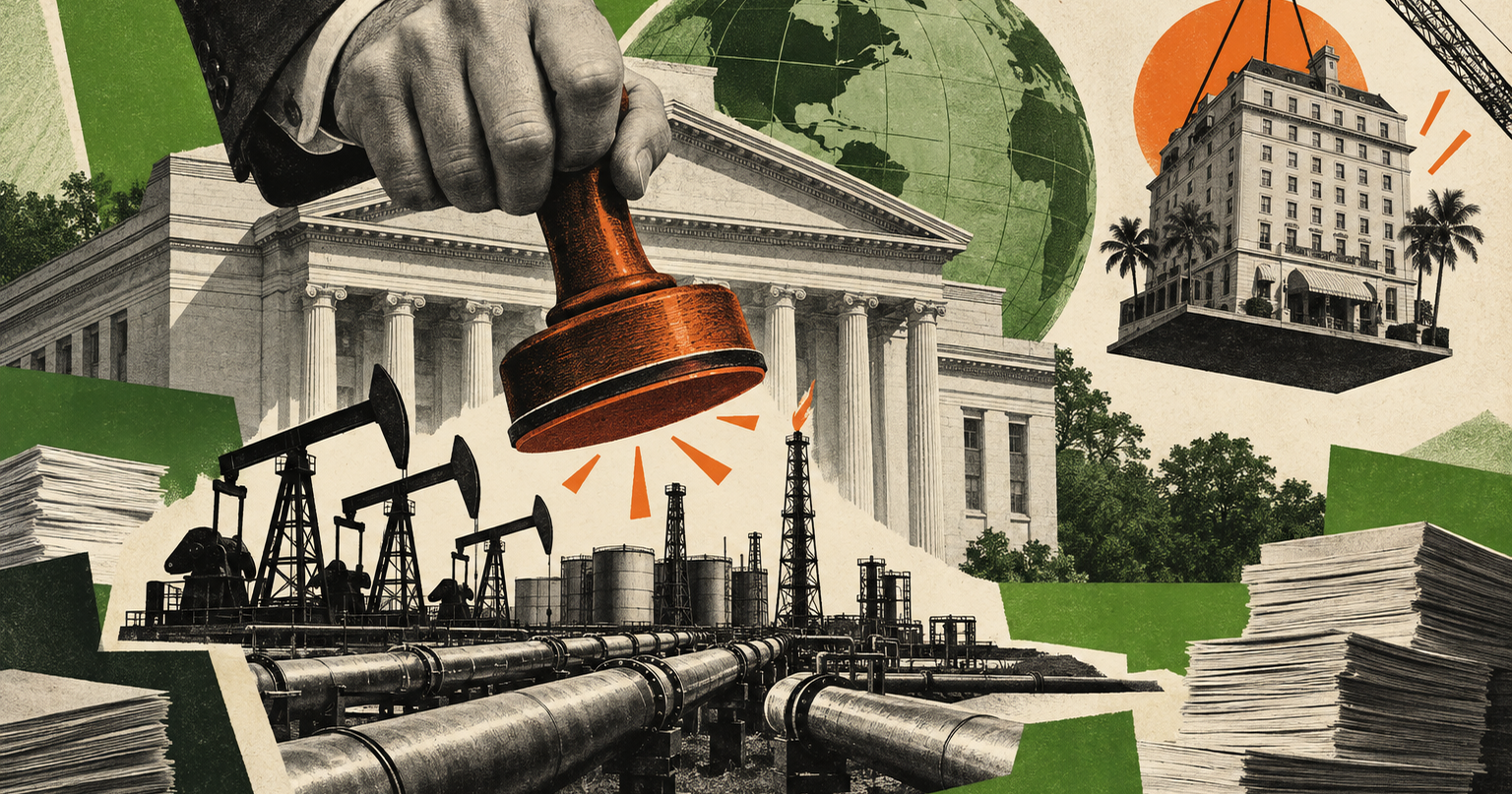
The world's biggest development lender spent years walking away from oil and gas. Now its biggest shareholder wants it back in.
Treasury Secretary Scott Bessent called on the World Bank to "formally retire its prohibition on financing upstream gas and oil," in a written statement dated October 14 to the steering committees of the World Bank and the IMF. He delivered it on paper, having skipped the Bangkok annual meetings in person. The oil and gas demand led a long list that Reuters described as in line with Trump administration interests.
Bessent cannot order the bank to do anything. But the United States is its largest shareholder, and the statement reads like a to-do list.
The ban he wants gone
The World Bank Group said in 2017 that it would stop financing upstream oil and gas after 2019. It left one narrow exception: upstream gas in the poorest countries, in "exceptional circumstances," when there is a clear energy access benefit and the project fits the country's Paris Agreement commitments, OilPrice notes.
Bessent argues that rule undercuts the bank's own principles. "The Bank cannot credibly invoke country ownership while categorically excluding upstream projects before their development merits are even assessed," the statement says.
He framed it as a fight over energy access. "Energy abundance sparks economic abundance," the statement says. The US backs the World Bank and African Development Bank goal of bringing power to 300 million more people in Africa, and Bessent says that will require a "technology-neutral approach," including removing constraints on support for natural gas. He welcomed a recently approved project to secure near-term gas supply in West Africa, announced an initial US contribution to a new Nuclear Energy Assistance Trust Fund, and praised the bank for already dropping what he called "inefficient and distortionary climate finance targets."
The rest of the list
Bessent wants the bank to play a catalytic role in deep-sea critical minerals mining by offering knowledge and guidance. He wants it to stop lending to countries that long ago met graduation criteria, calling the planned phase-outs for China and Poland "long overdue" and noting the bank is in "the longest period in its history without a country graduating from lending eligibility."
Procurement rules that "reward distortive industrial policies, encourage subsidies, and incentivize corruption and collusion" must change, he said. And the IFC, the bank's private sector arm, has fallen "unacceptably short" of its pledge to put 40% of new commitments in the poorest and most fragile countries.
The IMF got its own instructions. It must sharpen its work on how "non-market policies and practices and exchange rates" drive global imbalances, "or risk being sidelined." The statement says "some economies," though Reuters read it as a veiled reference to China. Bessent also criticized the fund's Resilience and Sustainability Trust for lacking a clear link to balance of payments pressures.
Pay freezes and a hotel
Then came the money. Bessent said both institutions should go further on what he called "inexcusably bloated budgets," including indefinitely freezing, and even reducing, Executive Board budgets and salaries, which together cost more than $200 million a year. "We also call on the IMF to divest from the Bretton Woods Recreation Center and the Concordia Hotel," the statement adds.
The pressure fits a wider campaign. The administration has kept pushing international bodies to drop green agendas, and has threatened several times to leave the International Energy Agency. "We're either going to reform the IEA or we will leave the IEA," Energy Secretary Chris Wright said last month. "My strong preference is that we reform it."
The timing gives the oil and gas argument extra weight. The US-Israeli war with Iran has caused the largest disruption to global energy supplies on record, the backdrop to the G7's release of diesel and crude stockpiles. Now the bank and the fund have to decide how far they bend to their largest shareholder, whose Treasury chief sent his demands in writing instead of showing up.
Some offers on this page may be paid placements or contain affiliate links.
Finpresso: daily AI & finance brief
Free daily newsletter, read in 5 minutes.
Subscribe free