
Europe Wants to Buy Into Its Own Mines Like Trump Did, Because China Still Holds the Rare Earth Switch
European Parliament members voted to propose a Critical Raw Materials Centre with 2 billion euros to take stakes in miners and back refining projects, a plan that still needs member state approval.

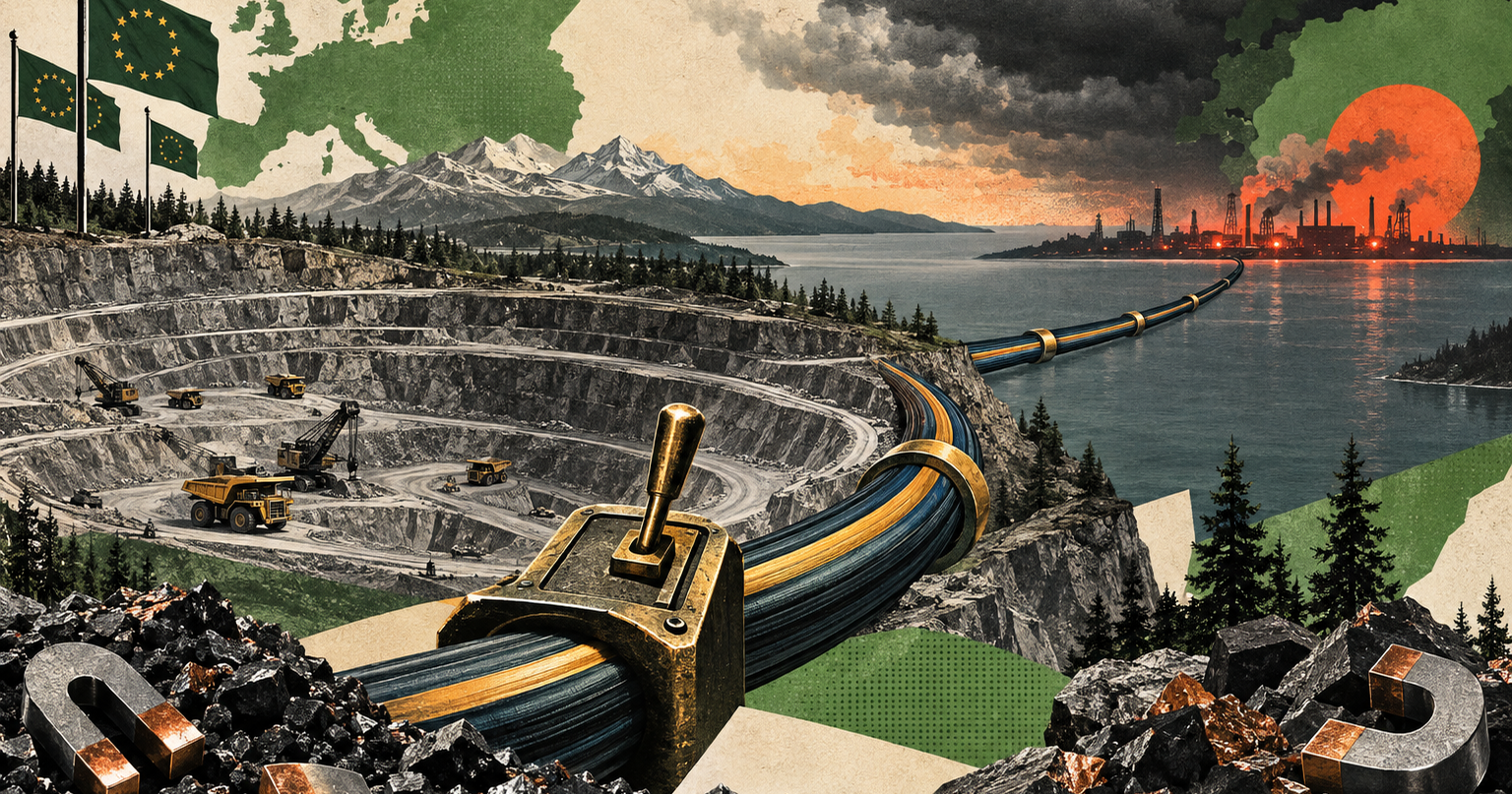
Europe has spent years watching China control the minerals its factories run on. Now it wants to do what Washington did: put public money directly into the companies that dig and refine them.
Members of the European Parliament voted last week to propose a new agency, the Critical Raw Materials Centre, that would invest in supply chains for critical materials, the Financial Times reported. The goal is to boost Europe's ability to mine and refine ore at home, including by taking equity stakes in miners and backing new projects. The Centre would get 2 billion euros under the EU's next long-term budget.
There is a catch. The measure still needs approval from member states before any of it happens.
The switch Beijing holds
The point is to break a dependency that gives Beijing leverage over Western industry and over trade talks. China dominates rare earth processing, refining and the production of permanent magnets, the parts that go into motors, turbines and electronics. It is likely to keep that grip through 2030.
That leaves Brussels in an awkward spot. As we reported this morning, the EU is preparing safeguard curbs on Chinese chemicals, furniture and machinery for early 2027. Yet its October hybrid car deal with Beijing included smoother rare earth exports to the EU, and Beijing has already warned Europe not to "fantasise" about gaining from pressure. Europe is trying to push back on Chinese imports while still needing the one Chinese export it cannot easily replace.
What the American version looks like
Over the last year and a half, the Trump administration has made deals that look a lot like what Parliament now proposes. The biggest is with MP Materials. The Pentagon committed $400 million for a 15% stake in the rare earths producer, added a $150 million loan, and signed a 10-year agreement guaranteeing a minimum price of $110 per kilogram for neodymium praseodymium, the material used in permanent magnets.
Europe's 2 billion euros would have to stretch across a whole continent's mining and refining ambitions, and it is still only a proposal. Washington has been signing these deals for a year and a half; Brussels is still asking its own governments for permission to start.
The market backdrop explains the urgency. Rare earth spot prices have stayed high amid supply shortages, even as rare earth stocks have taken a beating in recent months.
Parliament has shown it wants Europe to own a piece of its supply chain. Whether the member states agree, and whether 2 billion euros buys enough to matter against China's lead, is the part still to be decided.
Some offers on this page may be paid placements or contain affiliate links.
Finpresso: daily AI & finance brief
Free daily newsletter, read in 5 minutes.
Subscribe free