
House Leaders Move to Overhaul FCC Covered List Used to Bar Chinese Tech Before Xi Visit
Brett Guthrie and Frank Pallone introduced a bipartisan House bill to change how products land on the FCC Covered List, ahead of Trump's meeting with Xi.
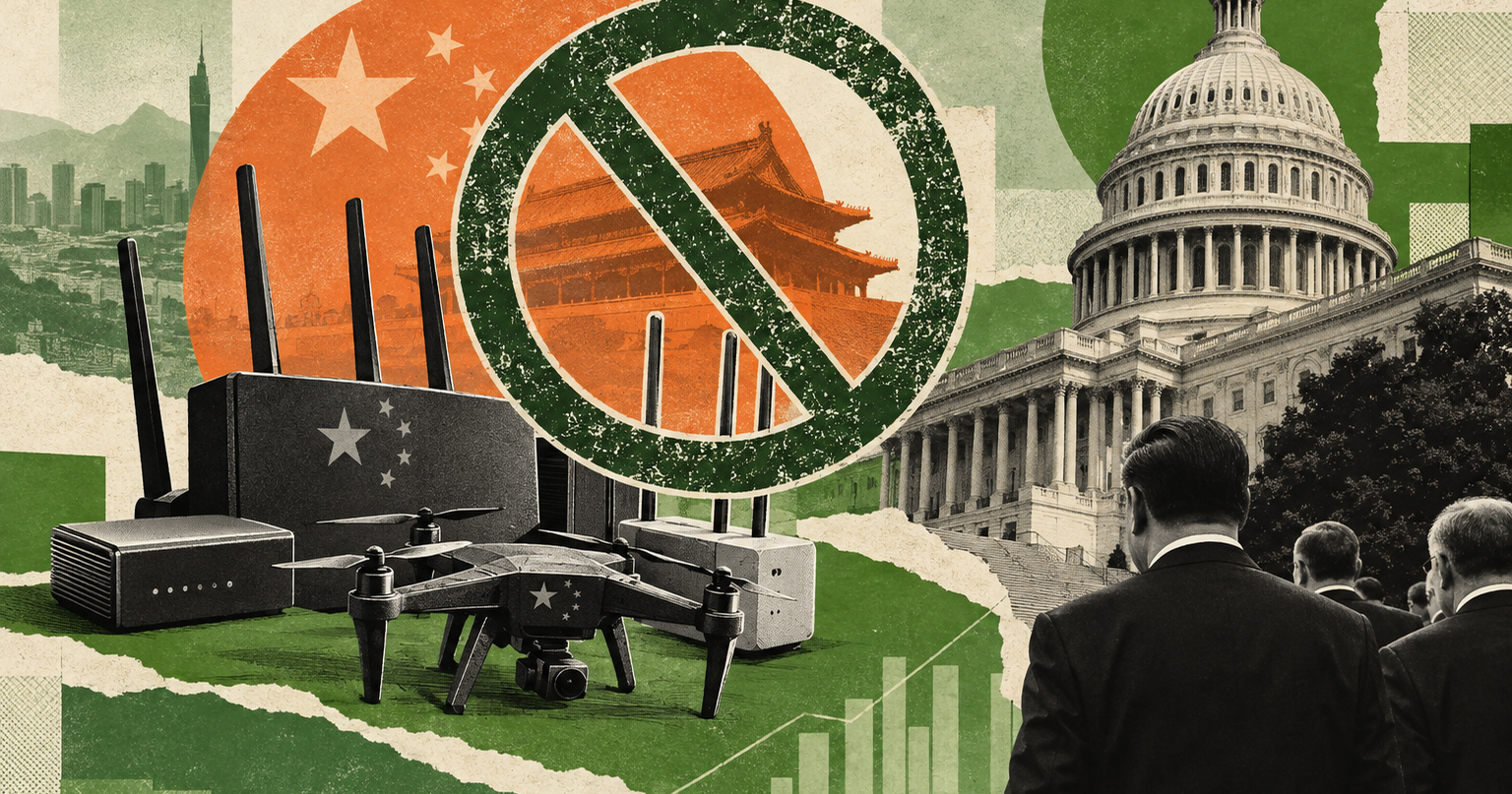
The most powerful tool Washington has for keeping Chinese tech gear out of American homes and networks is getting a rewrite, and the timing is not an accident.
The two top members of the House Energy and Commerce Committee, Republican Chair Brett Guthrie and Democratic Ranking Member Frank Pallone, introduced a bipartisan bill to change how products land on the FCC Covered List. It arrives just ahead of President Trump's meeting with Chinese President Xi Jinping.
A list that has grown teeth
Once equipment lands on the list, it effectively can no longer be authorized for sale in the US. It has already been used against Chinese drones, robots, routers, power inverters and related equipment.
Under FCC Chair Brendan Carr, the list has become a central pressure point on Chinese tech. Politico reports that businesses worry about sudden placements, while other parts of the administration try to keep a fragile trade detente alive. Optical transceivers, a key component in data centers, have been floated as a possible next target.
What the bill would change
The bill, called the Communications and Technology Transparency Act, would update the Secure and Trusted Communications Networks Act of 2019 that created the list. Lawmakers say the current process has worked in many cases but lacks transparency, consistency, and clarity as technology moves forward.
It would require more input from the Commerce Department and national security agencies before a product is found to pose an unacceptable risk. It would clarify which equipment from China, Russia, Iran and North Korea is eligible for the list.
It would also close a gap companies have used to keep operating. Listed entities and their affiliates would be barred from holding FCC licenses and authorizations.
Reform, not a new ban
None of this is law yet. The bill has only been introduced, and it rewrites the procedure around an existing list rather than automatically banning any new category of Chinese electronics.
Still, the direction matters for anyone selling hardware into the US. A more formal process could make placements slower and harder to challenge, or simply more predictable. It lands in the same week-to-week tug of war as the extended US-China trade truce and Beijing's own moves against American gear, like pulling Broadcom switches from state data centers.
Some offers on this page may be paid placements or contain affiliate links.
Finpresso: daily AI & finance brief
Free daily newsletter, read in 5 minutes.
Subscribe free