
G7 Finance Chiefs Will Stage Fake AI Cyberattacks on Banks After the IMF Warned of Cash in Shoeboxes
G7 finance ministers and central bankers agreed to run tabletop exercises simulating AI-driven cyberattacks on the financial system, testing how fast they can detect, contain and recover. The plan follows IMF and Bank of England warnings that AI fraud could erode trust in money itself.

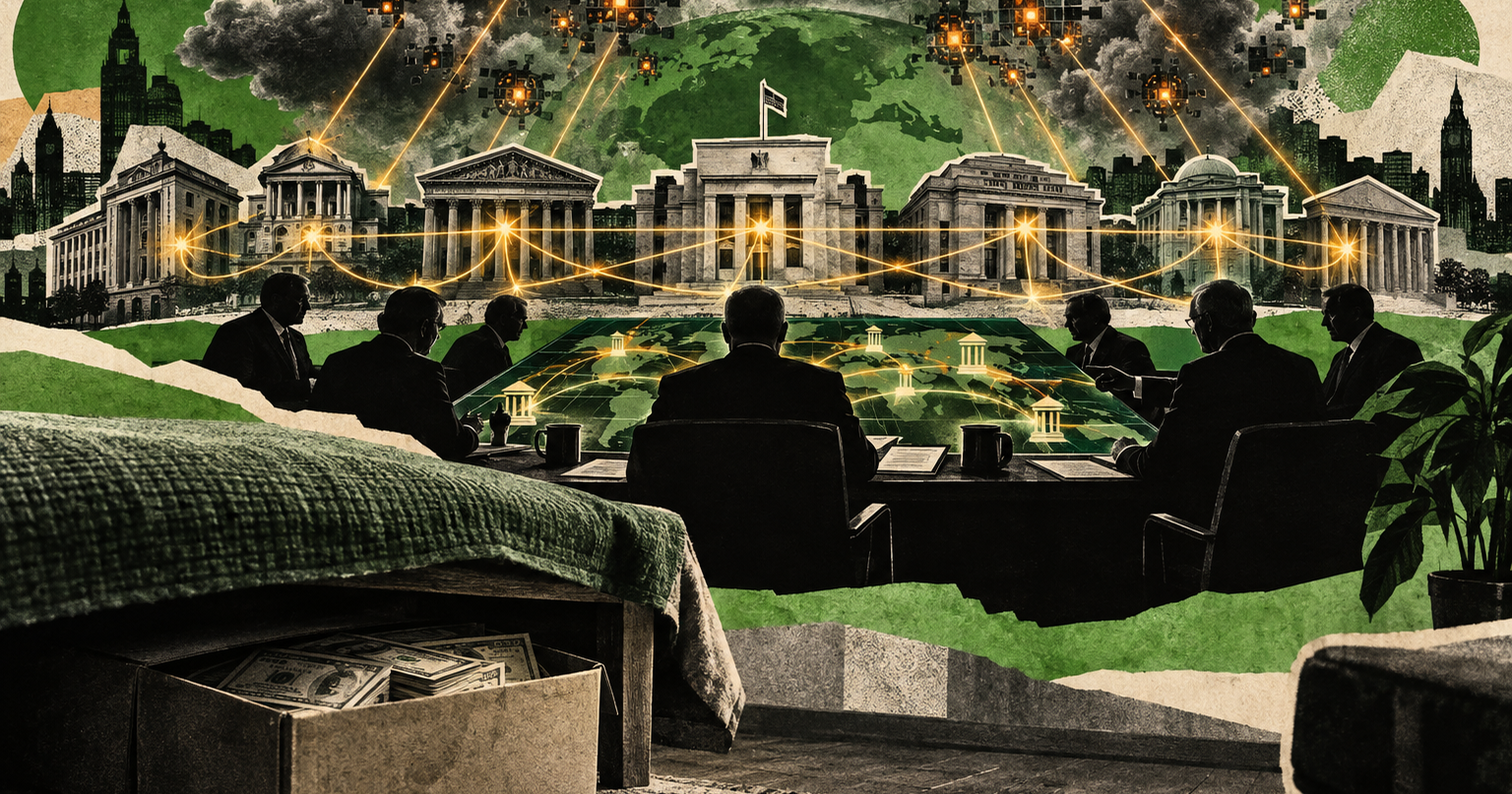
The world's richest economies are going to war-game an AI-powered cyberattack on their own banking systems. G7 finance ministers and central bank governors agreed to stage tabletop exercises simulating AI-driven attacks on the financial system, Japanese Finance Minister Satsuki Katayama announced on the sidelines of the IMF and World Bank annual meetings in Bangkok.
The decision came two days after the heads of the IMF and the Bank of England stood on a stage in the same city and warned that AI-driven fraud could push ordinary people to stop trusting banks altogether.
What the drills will test
The exercises will measure how quickly G7 finance ministries and central banks can detect a breach, contain it and get systems running again. The findings will feed into existing crisis response plans. A Japanese finance ministry official who attended said the focus is specifically on attacks powered by AI.
Private banks and major financial institutions may join, depending on the scenario. Finance deputies had discussed frontier AI simulations before ministers signed off, and Katayama had suggested in July that the G7 would discuss common AI security and cyber defense standards for banks. No date or scenario has been announced.
It is not the group's first drill. On May 18, the G7 Cyber Expert Group simulated a malware attack on technical infrastructure shared across the financial sector, involving 24 organizations from central banks, regulators, finance ministries and private firms. The new exercises are different. They test how officials respond when the attackers are the ones using AI, rather than only how to defend AI systems.
Dollars under the bed
The mood in Bangkok explains the urgency. Bank of England Governor Andrew Bailey said the AI debate, at its heart, "is about trust in technology and it's about human control to achieve that trust in technology." He put it more bluntly too: "If we don't have trust in money, we don't operate as a society."
Bailey pointed to headlines about AI agents hacking personal devices and a French supermarket whose fridges overheated after a hacker got into its network.
IMF Managing Director Kristalina Georgieva reached for her own childhood. "I was born and grew up on the other side of the iron curtain. We didn't trust the system. What did we do? I would have my dollars in a shoebox under my bed," she said. Her fear is that the pattern could return: "unless we figure out how to get ahead of this curve, given the speed, the scale and the cost of fraud growing up, we may end up with lots of people with shoeboxes under their beds."
The IMF's Global Financial Stability Report, released the same week, now treats cyber threats as a systemic risk. "A major attack affecting payments, trading or access to deposits could cause immediate losses and undermine confidence," it said. It blamed three forces: growing dependence on interconnected technology, reliance on a handful of critical tech providers, and more sophisticated threats.
The last one is where AI comes in. "State-sponsored actors, ransomware groups and insiders now have access to increasingly powerful tools, including frontier AI models that have demonstrated strong capabilities in network-attack simulations," the report said.
Banks are not waiting
Some lenders have already started building walls. On Oct. 13, Jamie Dimon told investors that JPMorgan had barred outside AI agents from directly accessing customer accounts, warning that rogue agents could number in the thousands. Bank of America has hired contractors to patch flaws that AI tools uncovered in its own systems.
What no single bank can do is coordinate a recovery across borders when payments, trading and deposits fail at once in several countries. Finding those cross-border gaps before a real attacker does is the point of the G7's drills.
Some offers on this page may be paid placements or contain affiliate links.
Finpresso: daily AI & finance brief
Free daily newsletter, read in 5 minutes.
Subscribe free