
Honda Says Trump's 50% Tariff on Canadian Cars Would Be Catastrophic While Japan and Korea Pay Just 15%
A Honda executive warned that Trump's planned doubling of tariffs on Canadian vehicles and parts to 50% on Jan. 1 would be catastrophic for the whole industry, while Japan and South Korea pay 15%.

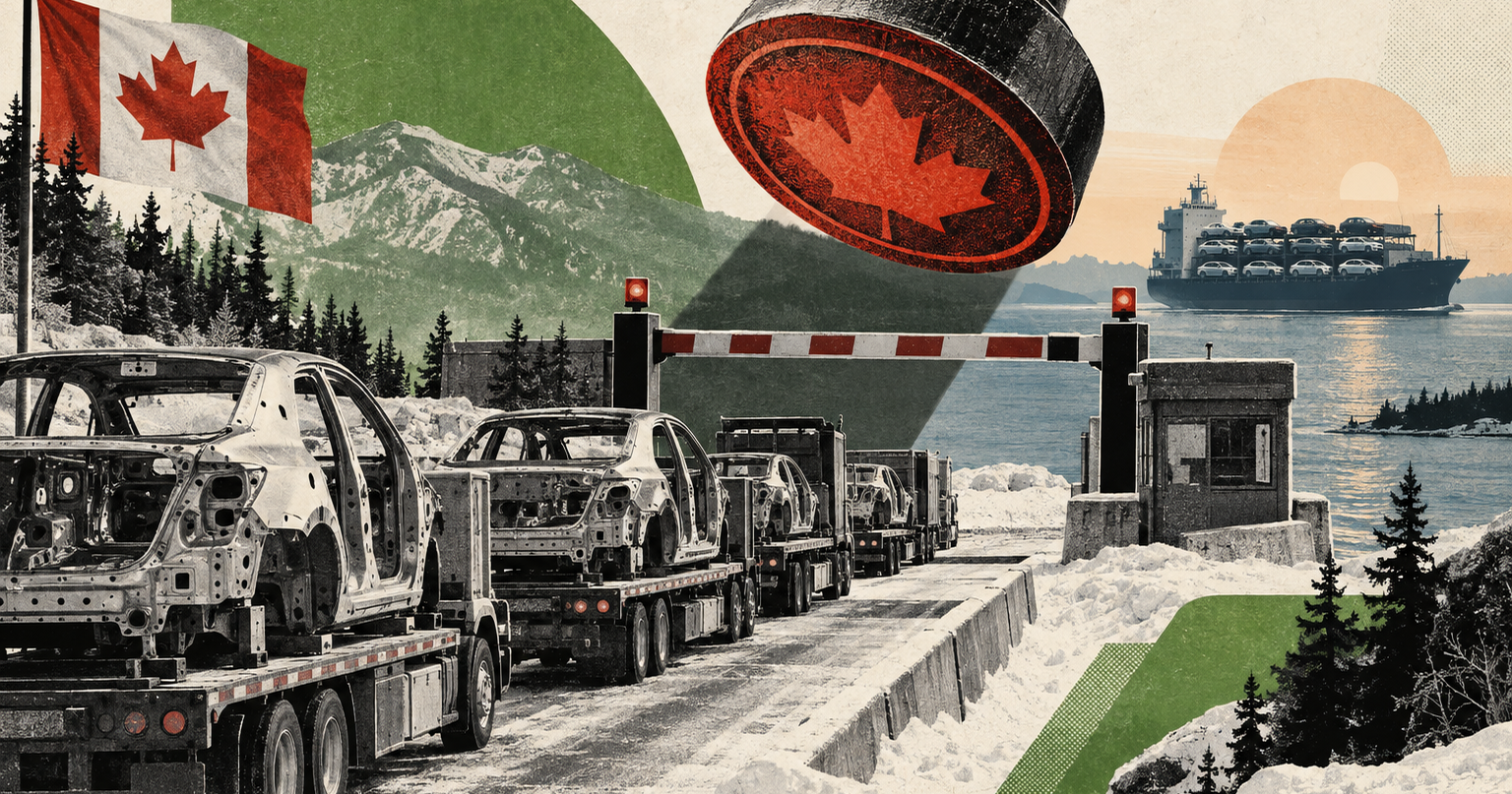
One of the biggest carmakers in North America just said out loud what the industry has been dreading. Doubling US tariffs on Canadian vehicles and parts "really would be catastrophic for the entire industry," Honda's Jennifer Thomas said on Tuesday, CNBC reported.
Thomas, senior vice president of corporate affairs at American Honda Motor Co., spoke at a Reuters automotive conference in Detroit. The deadline she is worried about is Jan. 1, 2027.
Rivals overseas get the better deal
In August, after talks collapsed, Trump threatened to raise tariffs on Canadian vehicles and parts from 25% to 50% on that date if no deal is reached. The current 25% applies to the non-US content of vehicles. Canadian Prime Minister Mark Carney responded by suspending trade talks and promising to match US tariffs dollar for dollar. The fight has already reached the courts, where a cheese importer has sued Trump over the 50% Canada tariffs under a 1930 law.
What stings for Honda is the comparison. Trump's deals with Japan and South Korea, two major exporters of vehicles to the US, include 15% tariffs on cars. "I never thought I would see the North American region be put at a disadvantage like this," Thomas said.
The pain would not stay in Canada. Honda is the second-largest vehicle producer there, behind Toyota, and more than 60% of the vehicles it sells in the US are built in US plants. Many parts cross the border several times before a car is finished, so a tariff on one side of the line lands on factories on the other.
The fight over USMCA
Thomas wants a three-country deal that includes Mexico, in the mold of USMCA. "Our message has been clear: We need that trilateral agreement to stay in place in order for the U.S. industry to be competitive," she said. Trade groups representing Honda and every major US automaker are lobbying for that accord and against separate bilateral deals.
Washington has been moving the other way. US Trade Representative Jamieson Greer said months ago that the US would not automatically extend USMCA, shifting it to annual reviews instead of a 16-year trilateral extension. Trump negotiated the pact in his first term, and it took effect in 2020, but he has since accused Canada of "ripping off the United States of America for years."
Thomas said she is "cautiously optimistic" the increase will be avoided. She is encouraged by reports that the US and Canada have reopened talks, including on easing levies on materials such as aluminum. The clock to Jan. 1 is still running.
Some offers on this page may be paid placements or contain affiliate links.
Finpresso: daily AI & finance brief
Free daily newsletter, read in 5 minutes.
Subscribe free