
Indonesia's Stock Market Crashed 11% After MSCI Said It No Longer Deserves to Be an Emerging Market
MSCI proposed moving Indonesia from emerging to standalone market status over market dysfunction. The Jakarta Composite fell 11.1%, its worst day since early 1998, trading was halted and the rupiah slid.
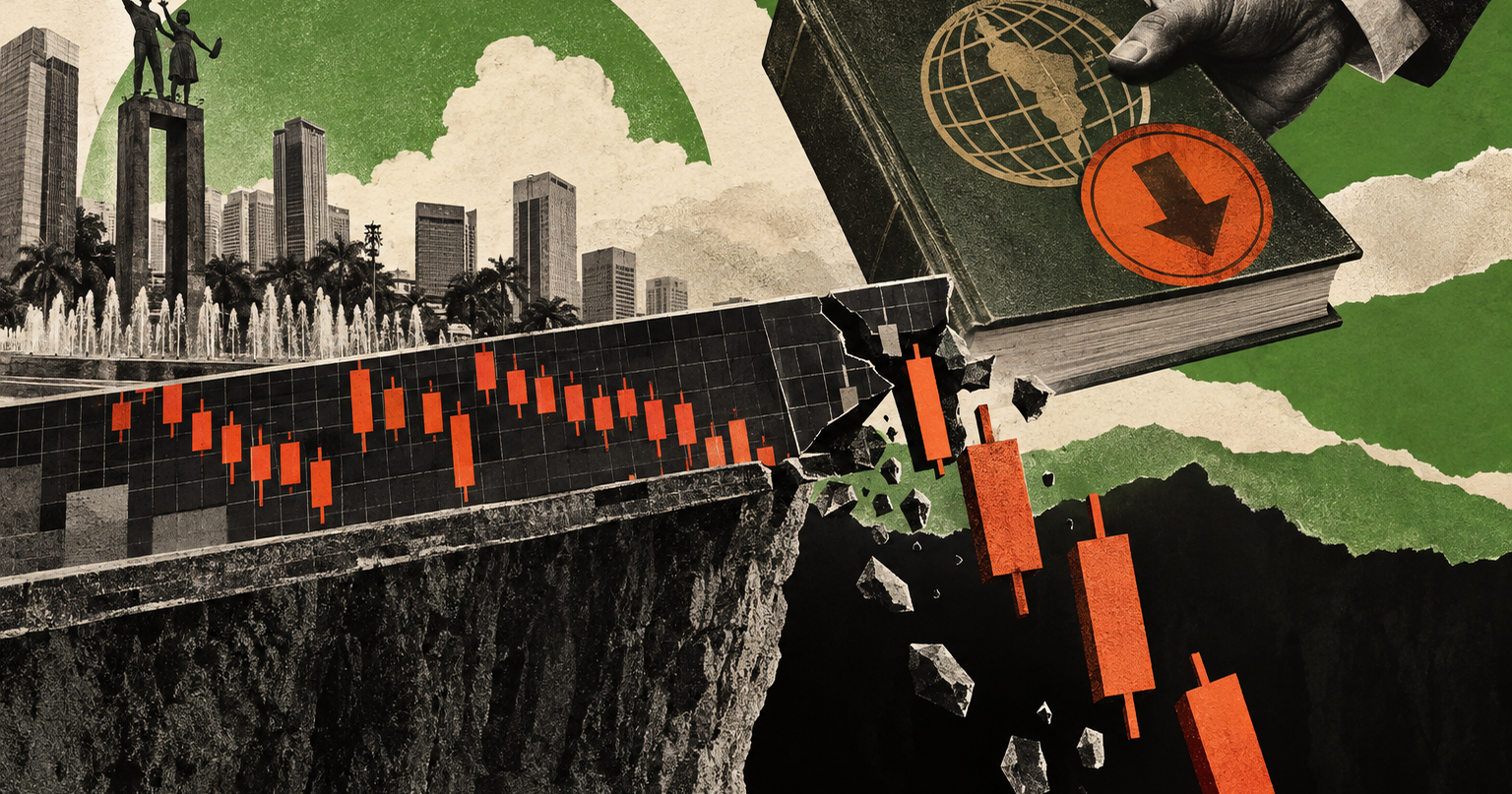
Indonesia's stock market had its worst day in almost three decades on Friday after MSCI, the index provider that steers trillions of dollars in benchmark money, said the country no longer belongs among emerging markets. It did not even offer the "frontier" tier. It proposed moving Indonesia to "standalone", a category whose members include Argentina, Lebanon and Palestine, with none in Asia.
The Jakarta Composite Index collapsed 8% at the open, triggering a trading halt. When trading resumed it was down 11.1%, its heaviest fall since early 1998 and its lowest level since 2020. The index has now lost more than 40% since the start of the year.
"It's the first time this has ever happened in my 20 years in the stock market," said Liza Camelia Suryanata, head of research at Kiwoom Sekuritas Indonesia.
Why MSCI pulled the trigger
"Significant concerns remain around market dysfunction," MSCI said. "Accordingly, MSCI considers Indonesia's continued classification as an Emerging Market no longer appropriate and is launching a consultation on a proposal to reclassify Indonesia as a Standalone Market."
The warning has been building all year. In January MSCI froze Indonesia in its indexes and threatened a downgrade to frontier over opaque ownership structures, concentrated shareholdings and suspected coordinated trading. It warned again in June. Jakarta responded with reforms, including enhanced shareholder disclosure and a roadmap to a 15% minimum free float, but MSCI said market participants had yet to see consistent evidence that any of it improved how the market works.
Investor feedback, MSCI said, suggested frontier status would not adequately reflect the accessibility problems. Its freeze stays in place too: no additions to the MSCI Indonesia IMI and no increases in foreign inclusion factors or shares outstanding until further notice.
The money at stake
MSCI's flagship emerging markets index holds about 1,200 companies worth more than $10 trillion. UBS estimates that removing Indonesia could trigger about $4 billion in passive outflows, with active investors potentially pulling a further $15 billion.
The currency felt it immediately. The rupiah slid 0.6% to 18,070 per dollar, its weakest since late July, after already falling around 8% this year to a record low. Bank Indonesia's Erwin Gunawan Hutapea said the central bank would act to keep the rupiah stable and expects outflows from domestic portfolio assets to continue. The bank, which hiked rates several times earlier this year, meets again on Wednesday.
Jakarta says it was blindsided
Senior economic minister Airlangga Hartarto said there was "a big question mark" over why MSCI did not raise the standalone option at a meeting with Indonesian officials in Bangkok this week. He convened top officials, including the finance minister and the central bank governor.
Indonesia Stock Exchange CEO Jeffrey Hendrik said he would seek clarification. The exchange stressed that the proposal is a consultation, with input accepted until April 30, 2027, "and does not constitute a final decision." MSCI's final call is due by June 30, 2027, but the provider said it expects to go ahead unless it sees clear evidence of material improvement.
Not everyone thinks MSCI got the remedy right. "Grouping Indonesia with Lebanon, Palestine, and Argentina does not make sense," said Angus Mackintosh of Aletheia Capital, who argued the only fix would be "to impose severe sanctions and fines on those involved in concerted share manipulation." Pictet's Tan Altundag said the proposal "highlights MSCI's dissatisfaction with the pace of reforms and raises further questions about the investability of the market."
Prabowo's credibility problem
The blow lands on a government already on the defensive. Moody's and Fitch both cut Indonesia's sovereign rating outlooks to negative this year, pointing to reduced policymaking credibility under President Prabowo Subianto. The office of finance minister Suahasil Nazara did not reply to a request for comment.
Jakarta stood alone on Friday. Elsewhere in Asia, stocks rebounded after Thursday's AI selloff over CoreWeave's debt. Japan's Nikkei rose 1.9% and Korea's KOSPI gained 3.3%, recovering part of Thursday's nearly 8% plunge, Seoul's second brutal session of the week after Tuesday's 6% chip rout. Indonesia's problem was not the AI trade. It was the referee.
Some offers on this page may be paid placements or contain affiliate links.
Finpresso: daily AI & finance brief
Free daily newsletter, read in 5 minutes.
Subscribe free