
Iran's Oil Minister Quit as a US Blockade Choked Off Exports and a $2 Billion Oil Money Scandal Broke
Iran's oil minister Mohsen Paknejad resigned and President Pezeshkian accepted it on Sunday, as a US naval blockade cut off Iran's main source of income.

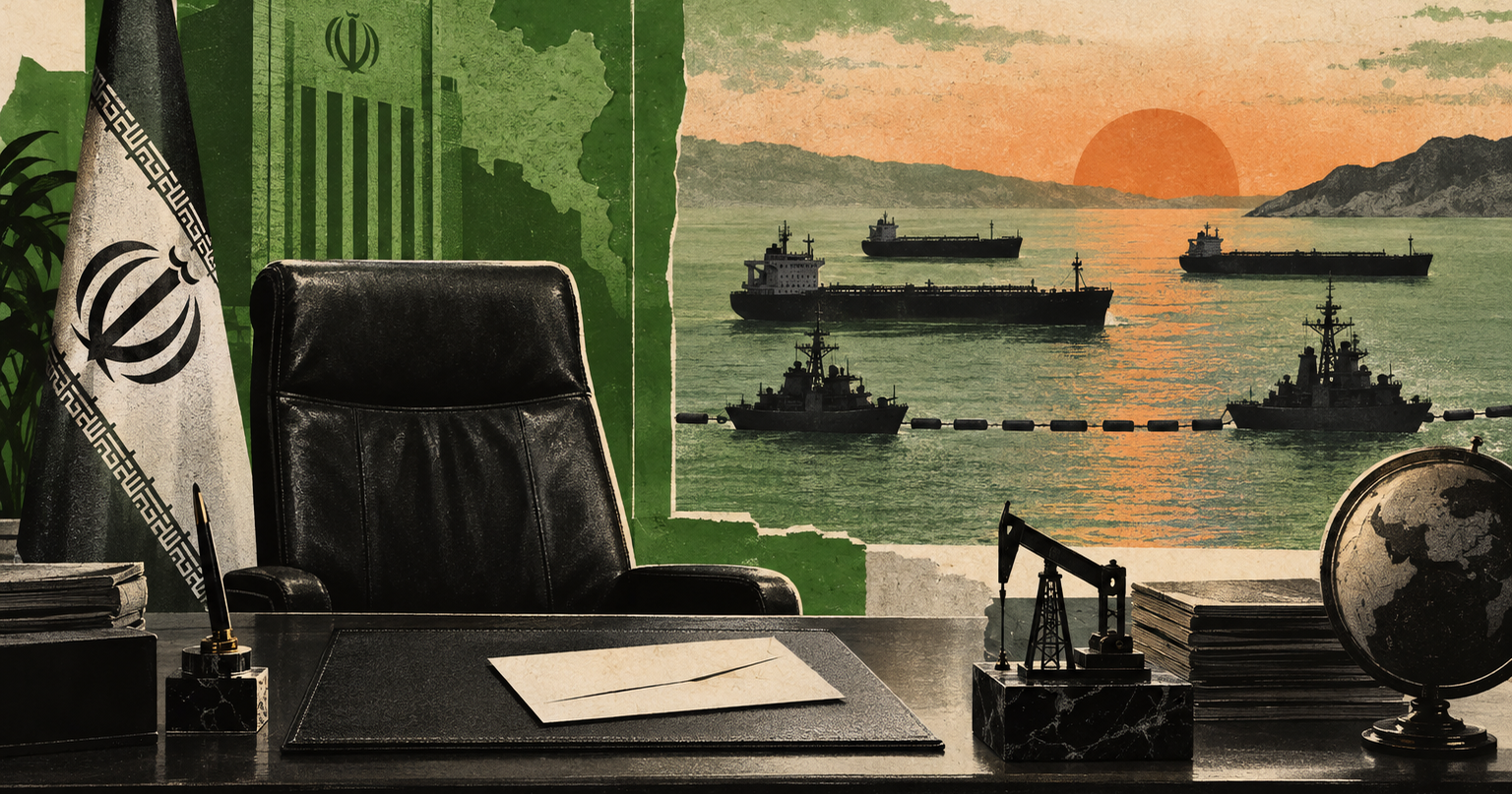
Iran's oil minister is out, at the worst possible moment for the country's oil. Mohsen Paknejad resigned and President Masoud Pezeshkian accepted it on Sunday, as a US naval blockade cut off Iran's main source of government income and a scandal over missing oil money spilled into the open.
The president's office said Paknejad had asked to leave for personal reasons "a long time ago" and that Pezeshkian had previously turned him down. The timing makes that hard to take at face value.
The missing $2 billion
Days earlier, the Farhikhtegan newspaper alleged that a trust set up on Paknejad's watch to bring home revenue from overseas oil sales owed the National Iranian Oil Company nearly $2 billion. Three individual trustees who were awarded oil contracts each allegedly owe hundreds of millions of dollars.
Iran has leaned on informal "trustee" networks like these to dodge US sanctions and repatriate oil money. The trouble with handing billions to middlemen is that they have to hand it back. Parliament's energy commission says it will hold an inquiry, and some of the leaks may reflect a power struggle inside the oil industry.
The complaint reportedly reached the president through a security official, and before the February US attack, the supreme leader. Pezeshkian raised it with the minister and didn't get a satisfactory answer. Hours before resigning, Paknejad was still insisting that revenue from oil already sold was reaching Iran.
A sanctioned replacement
His stand-in is Hamid Bovard, the 62-year-old head of the National Iranian Oil Company, now acting oil minister. Bovard has been under US Treasury sanctions since February 2025, designated for operating in Iran's petroleum sector as part of a crackdown on its oil industry and shadow fleet.
The blockade is doing the rest. Treasury Secretary Scott Bessent said Saturday that Iran had no oil shipments left at sea and would earn zero oil revenue this week. Iran's central bank governor said back in August that exports had effectively fallen to zero, and at least 50 Iranian tankers are reported stuck in the Gulf. Iran is also running a gasoline deficit of about 10 million liters a day and raised prices above the subsidized quota last month.
Nurses staying home
Ordinary Iranians are paying for it. Inflation is above 70%, with some estimates putting it as high as 85%, and food inflation is around 130%. The rial hit a record low, with the dollar at about 269,000 tomans, up 12% since 9 September. The monthly minimum wage of 166 million rials is worth roughly $66, and the economy shrank 10% in the first three months of the year.
Nurses and teachers are reportedly quitting because their pay can't keep up. "Nurses have come to the conclusion that it is more cost-effective and less damaging to their wellbeing to stay home and receive a salary of 25m tomans," said Mohammad Sharifi Moghaddam, secretary general of the Nurses' House. Tehran's mayor, Alireza Zakani, is freezing prices on 12 basics, including sugar, rice, cooking oil and detergent, for six months.
Diplomacy isn't offering an exit. Trump rejected an Iranian proposal to speed up nuclear talks a week ago, and Iranian diplomats aren't planning new concessions. Meanwhile, oil from the rest of the region is moving: Reuters data showed the seven-day average of regional crude exports hit 18.5 million barrels a day on 1 October, roughly the prewar level, even as producers like Aramco warn the world's oil stocks are scarily thin. The barrels are flowing. Just not Iran's.
Some offers on this page may be paid placements or contain affiliate links.
Finpresso: daily AI & finance brief
Free daily newsletter, read in 5 minutes.
Subscribe free