
Nvidia's China AI Chip Share Fell to 34% as Huawei Hit 28%, and Export Controls Did Most of the Work
Nvidia shipped 678,000 AI data-center chips in China in the first half of 2026, down 44% from a year earlier, cutting its market share to 34% while Huawei reached 28%, according to an IDC report.
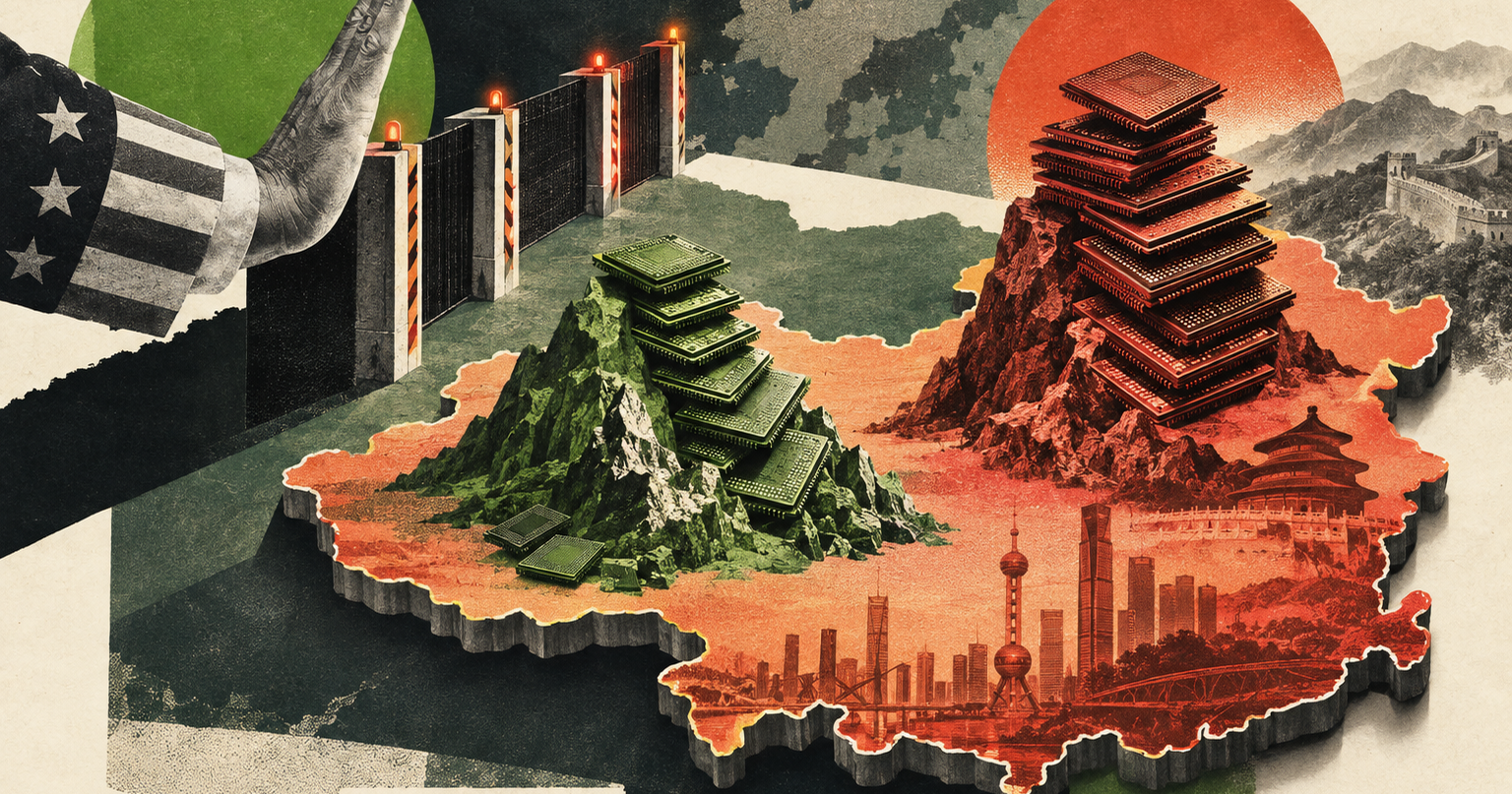
Nvidia's grip on China's AI chip market is slipping fast. The company held just 34% of the country's AI chip market in the first half of 2026, and Huawei is now only six points behind at 28%, according to an IDC report reported by Reuters.
The volume numbers are starker. Nvidia shipped 678,000 AI data-center chips in China in the six months to June, down 44% from a year earlier. That is a sharp retreat in a market where demand for AI training and inference has been surging.
Put simply, Chinese buyers did not stop wanting AI chips. They kept buying, and a growing share of that money went to companies headquartered in China rather than in Santa Clara. The scoreboard that Washington's chip war was meant to change is now visibly changing.
Squeezed from both capitals
Most of the damage was policy, not competition. Washington has continued to block Nvidia from selling its most advanced AI chips to China, which removes the products Chinese buyers want most.
Beijing then did the rest. The US did approve a small pool of chips for sale, but Chinese authorities largely balked at them and allowed only limited local sales, according to the report. Nvidia ended up caught between a government that will not let it sell its best hardware and one that does not much want its second best.
The domestic bench fills in
Huawei was the clear winner among Chinese chipmakers, with the largest local share at 28%. It was not alone. IDC's figures put Alibaba's T-Head at 7%, Cambricon at 5%, Baidu's Kunlunxin at 4% and Hygon at 3%.
| Company | China AI chip share, H1 2026 |
|---|---|
| Nvidia | 34% |
| Huawei | 28% |
| Alibaba T-Head | 7% |
| Cambricon | 5% |
| Baidu Kunlunxin | 4% |
| Hygon | 3% |
These companies have been producing more advanced chips as AI demand has climbed, and export controls have given them a customer base that has fewer alternatives.
What it means for Nvidia's China story
A 44% drop in shipments shows how much of that slice now depends on decisions made in Washington and Beijing rather than on Nvidia's product roadmap. The company can build the fastest chip on the market and still lose share in China if it is not allowed to ship it there, and if Beijing steers buyers away from the versions it can ship.
It also adds to a crowded list of pressures. Nvidia is already drawing antitrust attention over its licensing deal with Groq, and chip stocks have already shown how quickly the AI trade can turn when investors start doubting demand or financing.
The bigger shift is structural. The global AI chip market is splitting in two, with Nvidia still largest in China on this measure and a growing domestic ecosystem led by Huawei closing in.
Some offers on this page may be paid placements or contain affiliate links.
Finpresso: daily AI & finance brief
Free daily newsletter, read in 5 minutes.
Subscribe free