
Paramount Settled With 12 States to Clear David Ellison's $110 Billion Warner Bros Takeover
Paramount settled antitrust suits from California and 11 other states to clear David Ellison's $110 billion Warner Bros Discovery deal. Commitments expire in three to five years and require no divestitures.
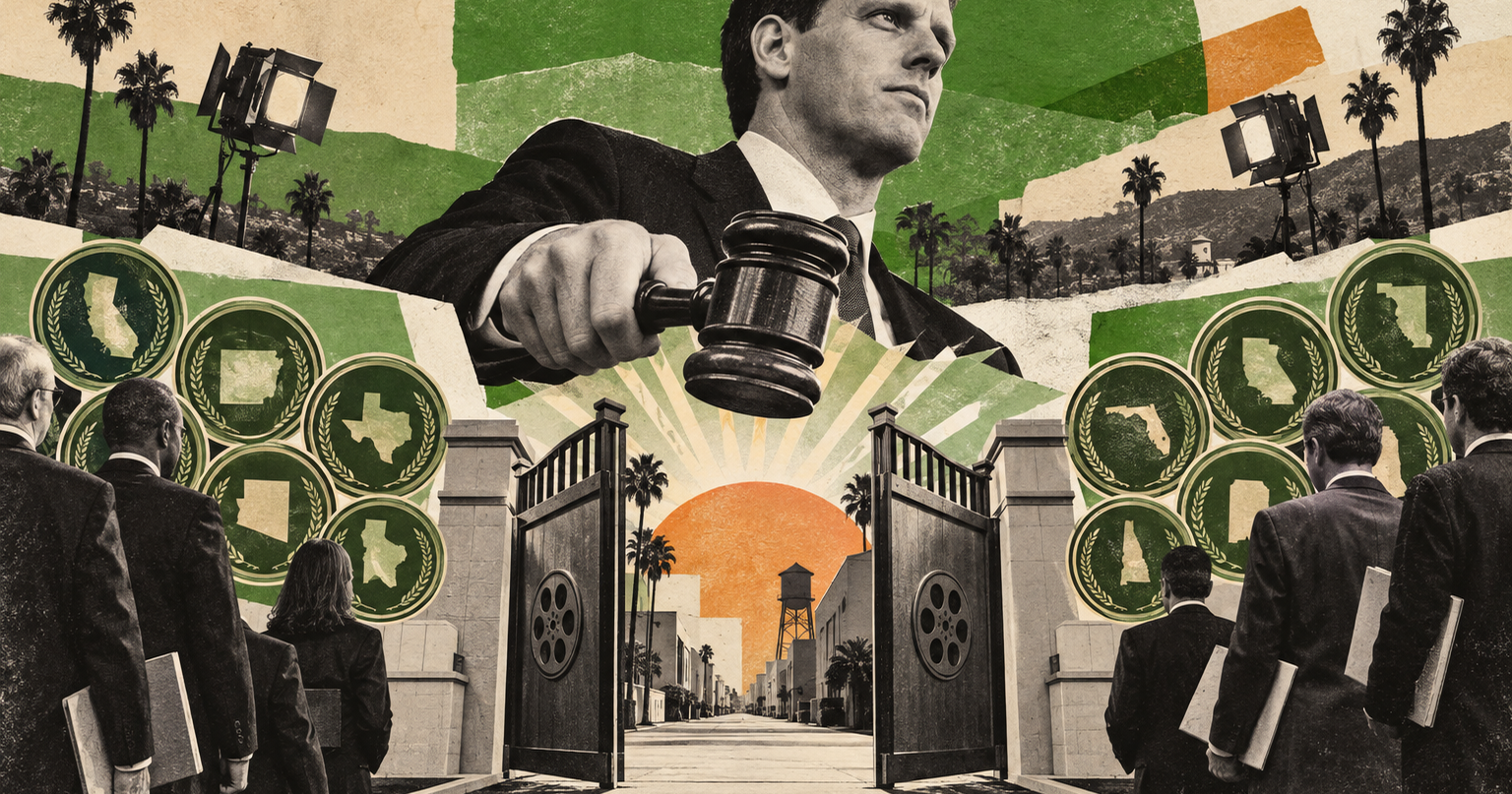
Paramount Skydance settled the lawsuits that a dozen US states had filed to block its takeover of Warner Bros Discovery, clearing the last real obstacle to David Ellison's $110 billion deal. Semafor reported the Monday agreement, which is expected to close the merger in October and create one of the world's largest entertainment companies.
The states, led by California Attorney General Rob Bonta, had argued the combination would hand Paramount too much control over movies and cable TV. The settlement answers those worries with promises rather than surgery. Paramount agreed to set up independent editorial boards for CNN and CBS, to keep releasing 30 films a year, and to bargain separately with television distributors. It also drops the threat that Paramount might have pulled its operations out of California, which had spooked local politicians and unions.
Here is the catch that most headlines skipped. Those commitments are temporary and expire within three to five years, and the deal requires no structural divestitures at all. Paramount keeps franchises like Top Gun, Mission: Impossible, and Star Trek, and folds in Warner's Batman, Harry Potter, and Lord of the Rings, with no cable channel or theatrical library sold off. The one hard enforcement lever is a $30 million penalty per film for any shortfall against the 30-movie pledge.
Bonta was blunt that this was a retreat from his preferred outcome. He had said from the start that structural remedies, where a company sells off part of its business, beat promises to behave. On Monday he called the settlement "not a vote of support" and said the acquisition "does not serve competition well," while arguing it would at least mean more production inside California, according to Reuters.
Critics were harsher. Alvaro Bedoya, a former FTC member now at the American Economic Liberties Project, said billionaires had "bribed, censored, and bullied their way to the top" and predicted layoffs from Los Angeles to Atlanta. Senator Elizabeth Warren called the settlement an "anti-monopoly disaster" that would raise prices and cut jobs, and named Paramount a "clear candidate for antitrust scrutiny in a future pro-competition administration." Public Knowledge's John Bergmayer warned it leaves fewer studios bidding for scripts and talent and fewer employers for creative workers.
The pressure did not run one way. Paramount had threatened to leave California if the suit was not dropped, Iowa and Montana asked the Supreme Court to step in and protect the deal, and Cinema United, the theater-owner group behind Cinemark, AMC, and Regal, urged Bonta to talk settlement rather than drag the industry through more uncertainty.
For dealmakers watching where consolidation goes next, the shape matters. This was a state attorney general settlement, not a federal DOJ or FTC verdict, and the transaction does not close until October. It lands in a year already thick with big-media tie-ups, from the Charter and Cox $34.5 billion combination to the antitrust questions still shadowing Apple's services business. What the states accepted here, behavioral promises with a sunset and no breakup, sets a low bar the next mega-merger will point to.
Some offers on this page may be paid placements or contain affiliate links.
Finpresso: daily AI & finance brief
Free daily newsletter, read in 5 minutes.
Subscribe free