
A Super Micro Contractor Pleads Guilty Over $2.5 Billion in Nvidia Servers Bound for China
Ting-Wei Sun, a contractor linked to Super Micro, pleaded guilty in Manhattan to export control, smuggling, fraud and obstruction conspiracies in a scheme to divert about $2.5 billion in Nvidia-powered AI servers to China, including staging dummy servers for inspectors.
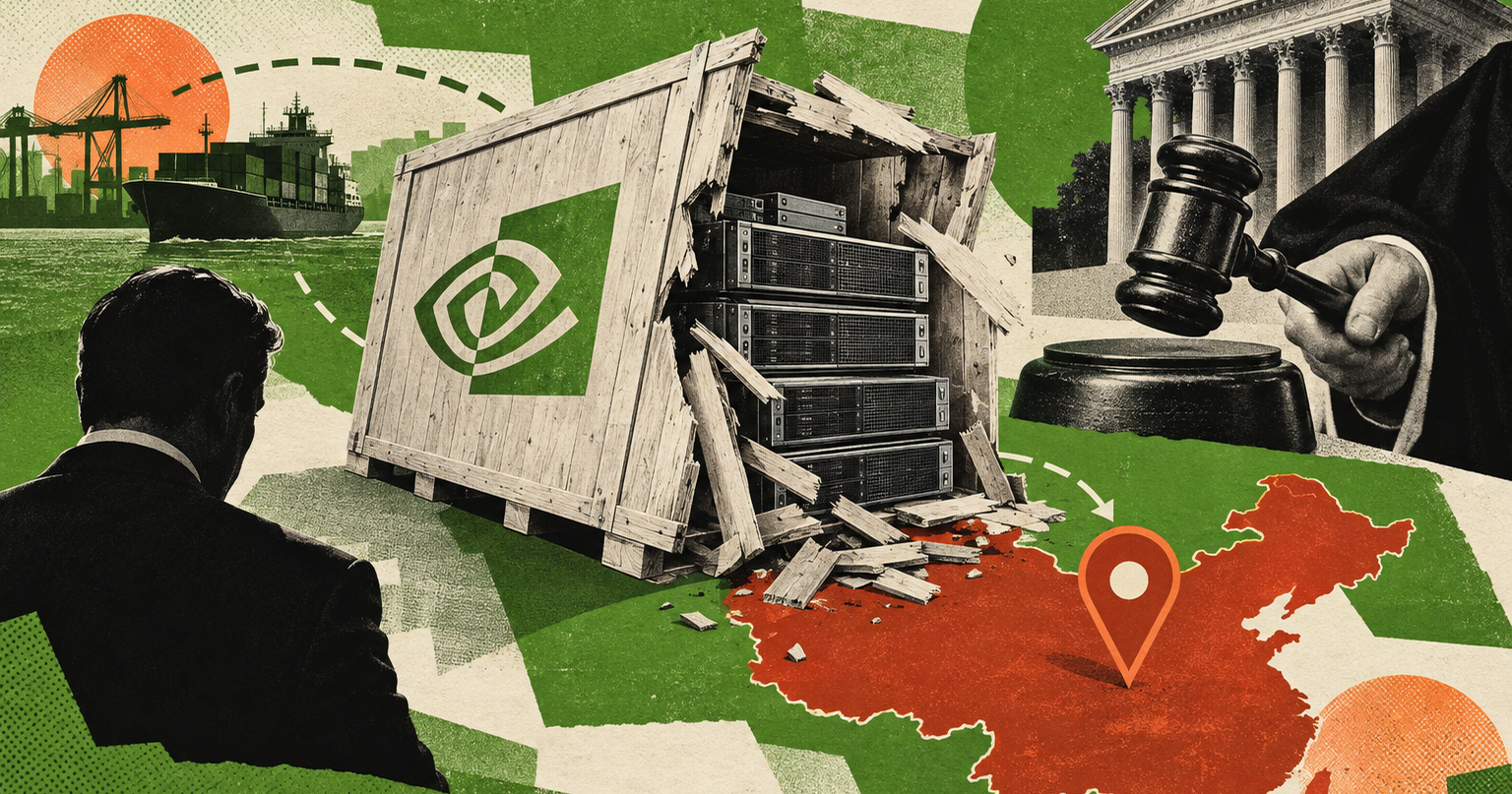
The fight over who gets America's best AI chips just produced a guilty plea. Ting-Wei "Willy" Sun, a contractor linked to Super Micro Computer, admitted in federal court in Manhattan on Thursday to his role in a scheme to send about $2.5 billion worth of Nvidia-powered AI servers to China.
Sun pleaded guilty to four counts: conspiracies to violate US export controls, smuggle goods out of the United States, defraud the government and obstruct justice. His sentencing is set for September 2027.
Dummy servers for the inspector
The charges came in a March indictment against Sun and two others associated with Super Micro. Prosecutors say the scheme began around October 2023, exporting servers from a US manufacturer, widely understood to be Super Micro, to China without the licenses the law requires.
Sun played the fixer, according to the indictment. The servers moved through an intermediary in Southeast Asia before reaching end customers in China. They were packed with Nvidia's restricted chips, including the B200, H100 and H200.
The cover-up is the most striking detail. In December 2025, a US Commerce Department official came to inspect units that had in fact already shipped to China. Sun allegedly staged fake "dummy" servers on site and lied to the official about them.
The US has barred advanced Nvidia AI chips from going to China since 2022 on national security grounds. Those rules are what turned a hardware brokering operation into a federal case.
A co-founder in the indictment
Sun was not alone in the charges. Super Micro co-founder Yih-Shyan "Wally" Liaw, who helped start the company in 1993 and joined its board in 2023, was also indicted. Liaw has pleaded not guilty and has left the board.
The third defendant is Ruei-Tsang "Steven" Chang, a sales manager in Super Micro's Taiwan office. He had not appeared in court as of the latest coverage.
Super Micro itself is not a defendant. The company says it terminated Sun and cut ties with him earlier this year, that the case has no impact on its operations and that it is cooperating with authorities. In an August statement, it said its current senior leaders had no knowledge of the scheme.
Part of a wider crackdown
Money moving through layers of middlemen across borders tends to look clean right up until investigators pull the paperwork, as the Deloitte Cyprus records tied to Abramovich showed in a very different setting. AI hardware is now getting the same scrutiny once reserved for oil, weapons and sanctioned fortunes.
The Manhattan case is not the only one. Prosecutors in Taiwan have separately charged nine people, including former Nvidia and Super Micro employees, over dozens of AI servers sent to China. Whether that case connects to the US prosecution is unclear.
For Washington, the plea is proof that export controls can be enforced, not just written. For Super Micro, it keeps an uncomfortable spotlight on the company even as it insists the wrongdoing happened without its leaders' knowledge. And for Sun, the next date that matters is in September 2027, when a judge decides what the scheme costs him.
Some offers on this page may be paid placements or contain affiliate links.
Finpresso: daily AI & finance brief
Free daily newsletter, read in 5 minutes.
Subscribe free