
Susan Collins Took Credit for Dropping Canada Tariffs, and the White House Added New Ones an Hour Later
Sen. Susan Collins announced exemptions for nine categories of Canadian goods vital to Maine from Trump's 50 percent tariffs, and the White House added new products to the same list less than an hour later.

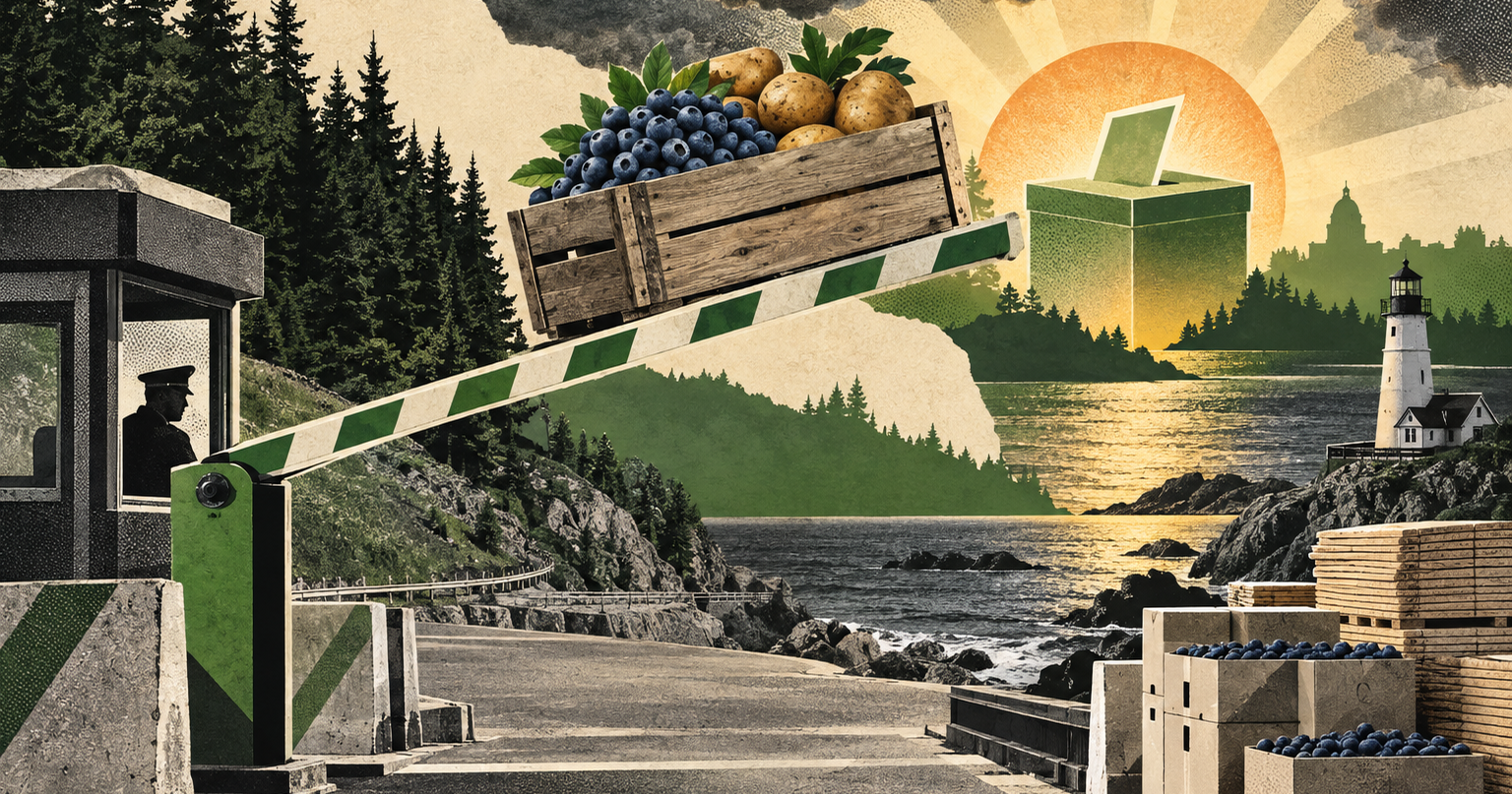
With Maine voters already casting ballots, Sen. Susan Collins announced on Friday that she had won relief from President Trump's 50 percent tariffs on Canadian goods. Less than an hour later, the White House said it was putting new products on the same list.
Trump signed a proclamation on October 23 removing certain products from the list of Canadian goods hit with 50 percent tariffs over the summer under Section 338, a 96-year-old trade law. The White House fact sheet said it was "replacing those products with certain valves, carpets, waste products, and others," CNBC reports. The changes take effect October 30, four days before the November 3 election.
Blueberries out, valves in
Collins' office credited her with exemptions on "nine categories of products crucial for Maine's agricultural industries." The coverage lists corrugated paper, plastic boxes and packing bags, refrigeration equipment, several kinds of machinery and seaweed and algae products. The Guardian adds blueberries, potatoes, apples, plywood sheets and paper products.
Her press release did not mention the additions. The White House fact sheet, for its part, did not mention Maine.
"In my repeated conversations with Ambassador Greer, Secretary Lutnick, and other senior administration officials, I have asked for tariff relief for these important products," Collins said, adding that she would keep pressing for more relief and "a broader trade agreement with Canada, our neighbor, ally, and largest trading partner." Her spokeswoman, Phoebe Keller, said the senator "requested exemptions for products that are important to Maine and will continue to do so."
The White House framed the change as policy, not politics. It said the new scope will "better serve the public interest" and keep the tariffs effective against what it calls Canada's discriminatory measures. Spokesman Matthew Middleton said the president was responding to "Canada's continued discrimination against and additional retaliation targeting U.S. commerce, with the goal of protecting American farmers, manufacturers, and workers."
A toss-up race
Collins, in the Senate for nearly 30 years, faces Democrat Troy Jackson, a fifth-generation logger and former state senator. The race is considered a toss-up and central to Democrats' hopes of flipping the Senate.
Jackson was not impressed. "Trump's trade wars have made life harder and more expensive for Mainers," he said, accusing Collins of enabling "this chaos" and now wanting "credit for bringing a cup of water to put out the fire." At the October 6 debate, when Collins took credit for getting road salt off the list, he shot back: "What about everything else? We can't eat road salt." Sen. Ron Wyden called Friday's move a "desperate, 11th hour attempt to save Susan Collins' political career."
Why Maine feels it
Maine imports far more from Canada than from any other country, and its logging, lobstering and fishing industries are exposed. After the 50 percent tariff began on August 22, Canada retaliated with tariffs of 15 to 50 percent on $20 billion of US goods, later dropping those on US seafood. The tariffs are also being fought in court: a cheese importer is suing over the same Section 338 duties under the 1930 law.
Canadian Prime Minister Mark Carney says auto exports to the US have fallen 10 percent and US exports to Canada more than 20 percent. "US tariffs have upended a trade bargain that's existed for decades," he said. For Maine, that bargain is now being renegotiated one product category at a time, on the White House's schedule.
Some offers on this page may be paid placements or contain affiliate links.
Finpresso: daily AI & finance brief
Free daily newsletter, read in 5 minutes.
Subscribe free