
Trump Weighs Lifting Sanctions on Russian and Iranian Shadow Fleet Tankers to Tame Record Freight Rates
The Trump administration is considering case-by-case sanctions relief so blacklisted shadow fleet tankers can move to legitimate operators and carry non-sanctioned oil, aiming to cut record freight rates. Analysts doubt it adds many ships.

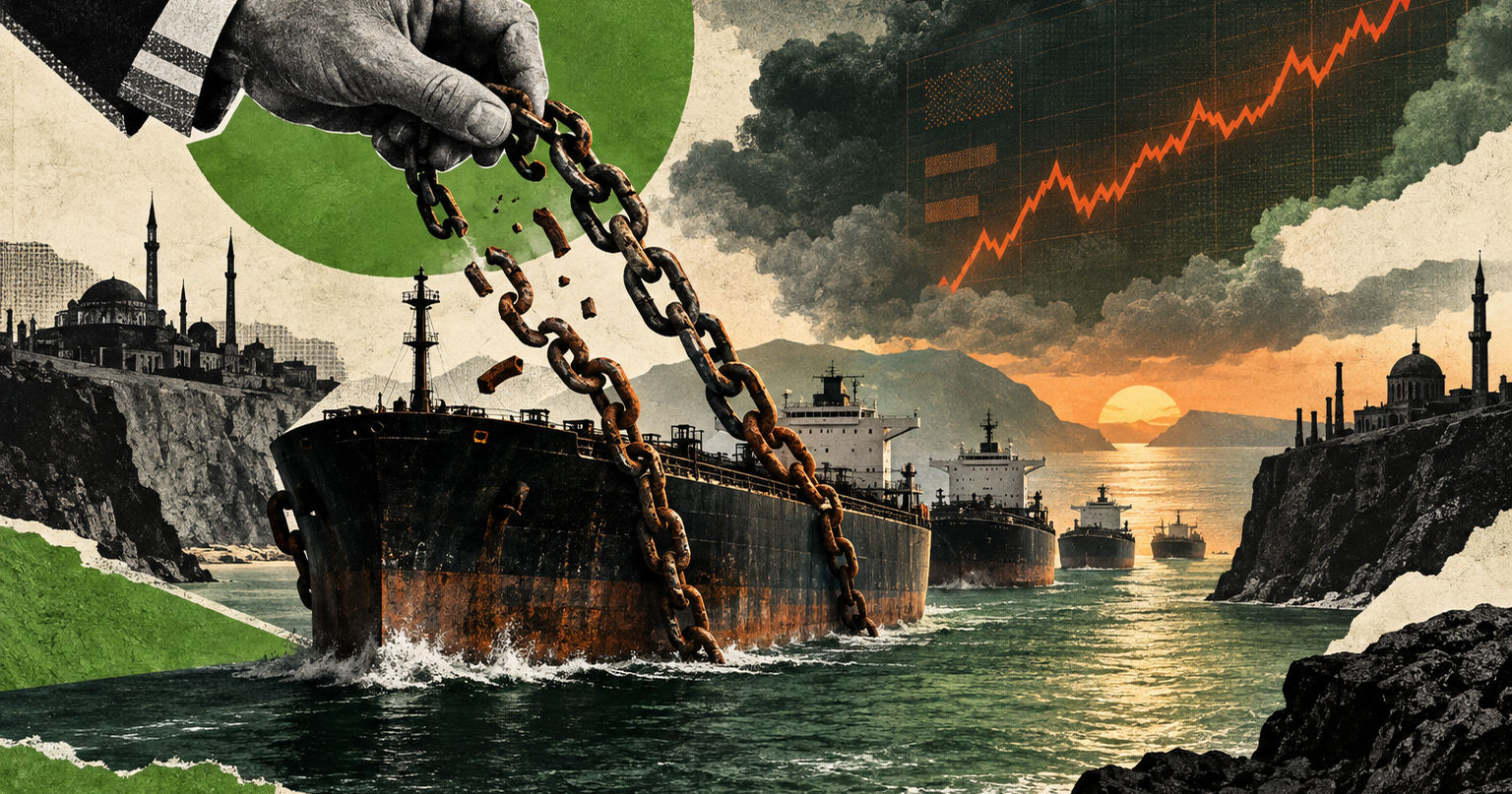
Washington spent years blacklisting the tankers that hauled Russian, Iranian and Venezuelan oil around the world. Now the Trump administration is considering giving some of them a second life, as a tool against record freight rates and the inflation they feed.
A US official said Wednesday that the administration is weighing sanctions relief for so-called shadow fleet vessels, so they could change hands and carry "legal oil": crude and products not sanctioned by Washington. Nothing has been decided.
How it would work
"There have been discussions regarding lifting sanctions on dark fleet tankers on an individual basis to allow them to transfer ownership to legitimate operators and move more non-sanctioned oil," the official said. "This would lower shipping rates and increase flows."
Shippers wanting to use a sanctioned tanker would apply to the Treasury Department, OilPrice reports. The sanctions on Russian and Iranian oil itself would stay. Energy Secretary Chris Wright said in a video to the World Petroleum Congress in Riyadh this week that the administration was discussing the idea to cut freight costs that have eaten into demand for US crude, according to Energy Aspects.
Why freight is so expensive
The wars in Iran and Ukraine have squeezed the tanker market from every side. Attacks on ships, higher war-risk insurance and complicated ship-to-ship transfers off Oman to get oil out of the Strait of Hormuz have all cut the number of available vessels. Iran says it is stepping up strikes on shipping in response to the US blockade of its ports and tougher sanctions introduced last month.
The bill lands on American producers. High freight has priced US crude out of reach for Asian refiners, and the discount of WTI to Brent widened to $14.17 this week, the widest in over five months. After the report it narrowed to about $10.42, Reuters reported.
Markets moved anyway
Forward freight agreements tumbled on the news. Aframax rates from the US Gulf Coast to Europe fell 30 points, said Scott Shelton of TP ICAP. Supertanker rates followed: VLCC rates from the Gulf of Oman to China fell to about 776 on the Worldscale basis from 841 last week, the highest since that rate launched earlier this year.
Sparta Commodities analyst Michael Ryan said the administration's comments drove rates lower. Kpler's Matthew Wright tied part of the drop to softer demand on that route after fresh attacks. Rates remain close to records and could still add to inflation.
Oil eased too. Brent fell 41 cents to $105.51 and WTI fell 54 cents to $97.43 by 0012 GMT Friday, CNBC reported. On Thursday the IEA agreed to release over 20 million barrels of diesel, following the G7 diesel stockpile release earlier this month.
The ships may not show up
Analysts doubt the plan adds much real capacity. "Kpler expects the measure to have virtually no impact on the current tanker crisis," the firm said. "The proposal assumes that removing sanctions will translate into additional commercially available capacity. In practice, the relationship is far more complicated."
Shadow fleet ships still face sanctions from other countries, and many lack the certification, insurance and maintenance needed for mainstream trade. Ship insurers remain bound by EU and UK rules. Energy Aspects said lifting sanctions on mostly old, poorly maintained tankers is "unlikely to add meaningful mainstream fleet capacity overnight," especially since most tankers sanctioned over Russian or Venezuelan links have been actively trading over the past three months. At most, it said, the move "could make a small number of additional tankers available for certain (Strait of) Hormuz shuttle runs."
The politics
The Department of Energy said any move would not help Russia move oil or oil products. That reassurance matters, because the idea comes days after Trump temporarily lifted sanctions on Russian diesel fuel, a decision that drew a torrent of criticism from Ukrainian President Volodymyr Zelenskiy, European governments and some of his fellow Republicans. Senators from both parties have since demanded he reverse the Russian diesel deal.
The tanker plan is the latest in a string of ideas the administration is weighing to bring down fuel prices and inflation. Whether old blacklisted hulls can do much of that work is now the question the freight market is pricing.
Some offers on this page may be paid placements or contain affiliate links.
Finpresso: daily AI & finance brief
Free daily newsletter, read in 5 minutes.
Subscribe free