
Trump Waived the Russia Sanctions Congress Passed 86 to 11, and His Own Party Says It Just Helps Putin
Trump used a national-interest waiver to switch off the Graham Act's tariffs on Russia and its biggest oil buyers, days before they took effect, after a diesel deal with Moscow. Republican senators including Ted Cruz and Thom Tillis called it a mistake, and oil prices fell.

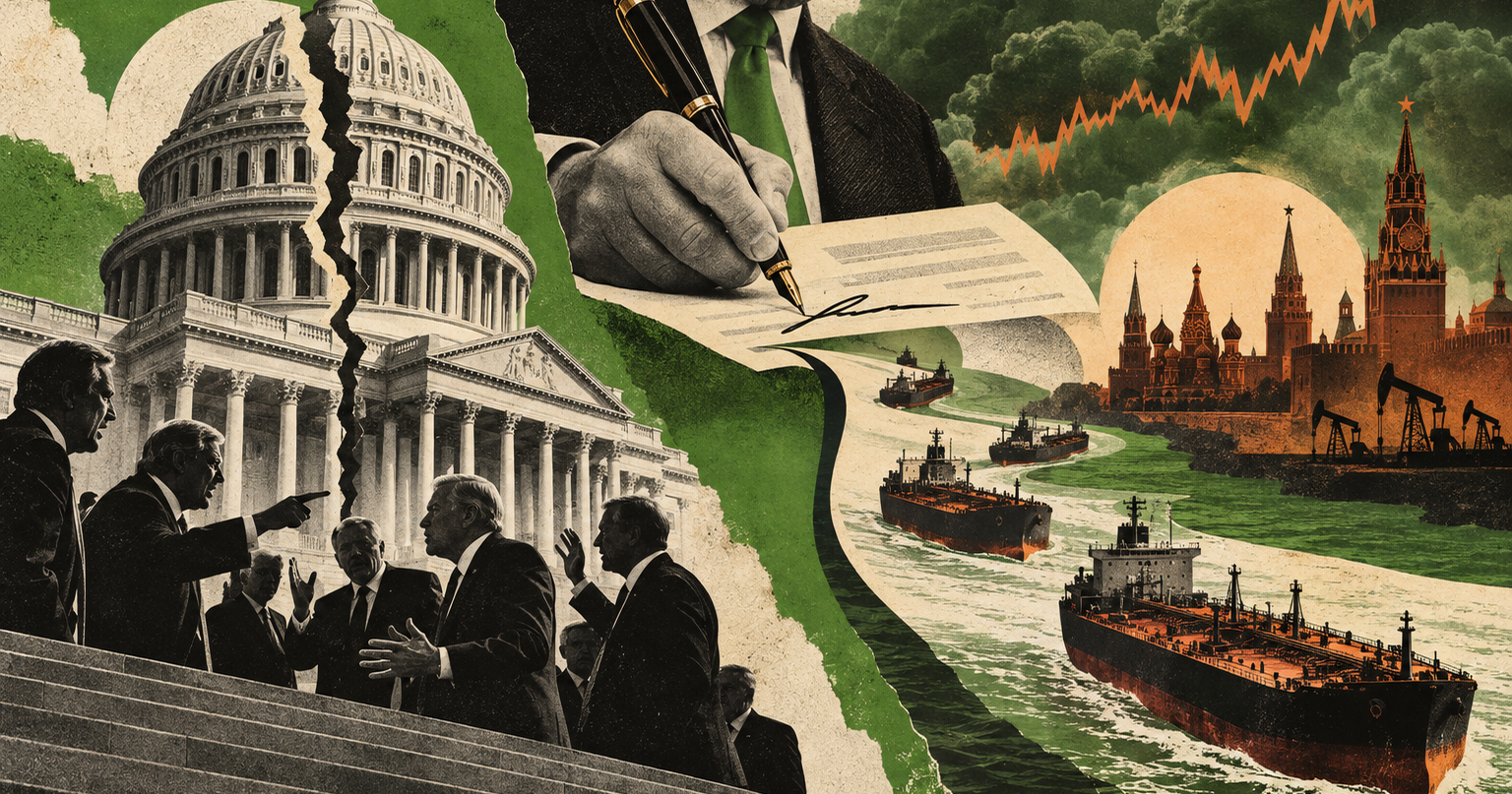
A month after signing a sweeping Russia sanctions law, President Trump switched it off. In an executive order dated October 16, he used the law's national-interest waiver to suspend its sanctions and tariffs, days before some of them were due to bite. The loudest objections are coming from his own party.
"I wish the President hadn't done it. I think it was a mistake," Senator Ted Cruz said on Fox News. "The current path, unfortunately, just benefits Putin." Thom Tillis, the retiring North Carolina Republican, was blunter on social media: "What part of enforcing a law passed 86-11 by the Senate does the President and his advisers not understand?"
The diesel deal behind it
The waiver came shortly after the administration struck a deal with Russia on diesel exports, according to Bloomberg. The goal is to bring down high fuel prices before the November 3 midterms, where cost of living is the dominant issue and Republicans risk losing both chambers.
Trump did not explain much. "It's a very good decision," he told reporters on October 17. "And it's going to be a decision that's good for the country and I think good for the world."
Critics say there were other ways to cut fuel costs. Cruz suggested importing more from Canada or waiving renewable fuel requirements. Tillis said Trump could address Iran instead of "doing a solid for Vladimir Putin." Earlier in the week a bipartisan group of 12 senators had already warned against the diesel plan, writing that "allowing Russian-origin diesel into global markets will offer limited to no relief to Americans" and would fund Russia's war.
What the law would have done
The Lindsey O. Graham Sanctioning Russia and Iran Act, signed September 18, is named for the South Carolina senator who died unexpectedly in July. On paper it raises duties on Russian goods by 500%. It puts 100% duties on goods from the five largest importers of Russian crude and gas if they knowingly make new purchases from October 18, and 100% duties on goods from the top five facilitators of Russian oil sanctions evasion. Section 115 lets the president waive all of it by certifying to Congress that doing so is in the national interest. The order says that certification was sent.
At least eight Republican senators, plus House Republicans, have now criticized the diesel deal or the waiver. Darline Graham, appointed to her late brother's seat, said she would "keep the pressure on Russia to end the war and get the gas prices down because I don't trust Putin and I don't trust Russia." Senate Democratic leader Chuck Schumer said there is "nothing America First" about giving Russia's economy "life support."
In the House, Democrats and retiring Nebraska Republican Don Bacon introduced a bill to block Russian diesel imports. "Many of us won't fund these things knowing he is propping up a dictator's invasion and throwing an ally under the bus," Bacon said.
Oil falls, Kyiv protests
Markets took the waiver as a sign of more Russian supply. In Asian trading on Monday, Brent fell 2.38% to $107.25 a barrel and WTI dropped 1.78% to $99.60. That came despite Ukrainian drones setting fires on Sunday at an oil terminal and depot in St. Petersburg, and two tankers being attacked off Saudi Arabia on Friday as Iran escalates strikes on Gulf shipping.
Volodymyr Zelensky said the decision to "completely ignore the Lindsey Graham law" came as Russia hammered Ukraine's energy sector. "A US sanctions blackout, easing pressure on the aggressor, financial rewards for Putin, all of this only encourages him to keep attacking," he said.
Congress is out of session until after the midterms, so nothing is likely to stop the waiver soon, and Bacon's bill would face a probable veto. The diesel plan is expected to do little for prices in the near term. A sustained return of Russian exports by year end could ease global supply gaps, but only if Moscow can deliver while Ukraine keeps striking its refineries.
Some offers on this page may be paid placements or contain affiliate links.
Finpresso: daily AI & finance brief
Free daily newsletter, read in 5 minutes.
Subscribe free